mirror of
https://github.com/pgsty/minio.git
synced 2026-11-07 00:02:11 +03:00
Compare commits
13 Commits
| Author | SHA1 | Date | |
|---|---|---|---|
 Harshavardhana |
55b08403cb | ||
|
Harshavardhana
|
d86ef6256d | ||
|
Harshavardhana
|
cd36019450 | ||
|
Minio Trusted
|
e4c3953947 | ||
|
Harshavardhana
|
931f73f59a | ||
|
Anis Elleuch
|
9be040dd14 | ||
|
Harshavardhana
|
da0fd5f056 | ||
|
Anis Elleuch
|
c8cf4c5eb8 | ||
|
Harshavardhana
|
bab72f6887 | ||
|
Klaus Post
|
d6a2fe02d3 | ||
|
Harshavardhana
|
28adb29db3 | ||
|
Harshavardhana
|
b79cdc1611 | ||
|
Minio Trusted
|
b6dd9b55a7 |
@@ -206,6 +206,13 @@ MinIO Server comes with an embedded web based object browser. Point your web bro
|
||||
|
||||
> NOTE: MinIO runs console on random port by default if you wish choose a specific port use `--console-address` to pick a specific interface and port.
|
||||
|
||||
### Things to consider
|
||||
MinIO redirects browser access requests to the configured server port (i.e. `127.0.0.1:9000`) to the configured Console port. MinIO uses the hostname or IP address specified in the request when building the redirect URI. The URL and port *must* be accessible by the client for the redirection to work
|
||||
|
||||
For deployments behind a load balancer, proxy, or ingress rule where the MinIO host IP address or port is not public, use the `MINIO_BROWSER_REDIRECT_URI` environment variable to specify the external hostname for the redirect. The LB/Proxy must have rules for directing traffic to the Console port specifically.
|
||||
|
||||
For example, consider a MinIO deployment behind a proxy `https://minio.example.net`, `https://console.minio.example.net` with rules for forwarding traffic on port :9000 and :9001 to MinIO and the MinIO Console respectively on the internal network. Set `MINIO_BROWSER_REDIRECT_URL` to `https://console.minio.example.net` to ensure the browser receives a valid reachable URL.
|
||||
|
||||
| Dashboard | Creating a bucket |
|
||||
| ------------- | ------------- |
|
||||
| 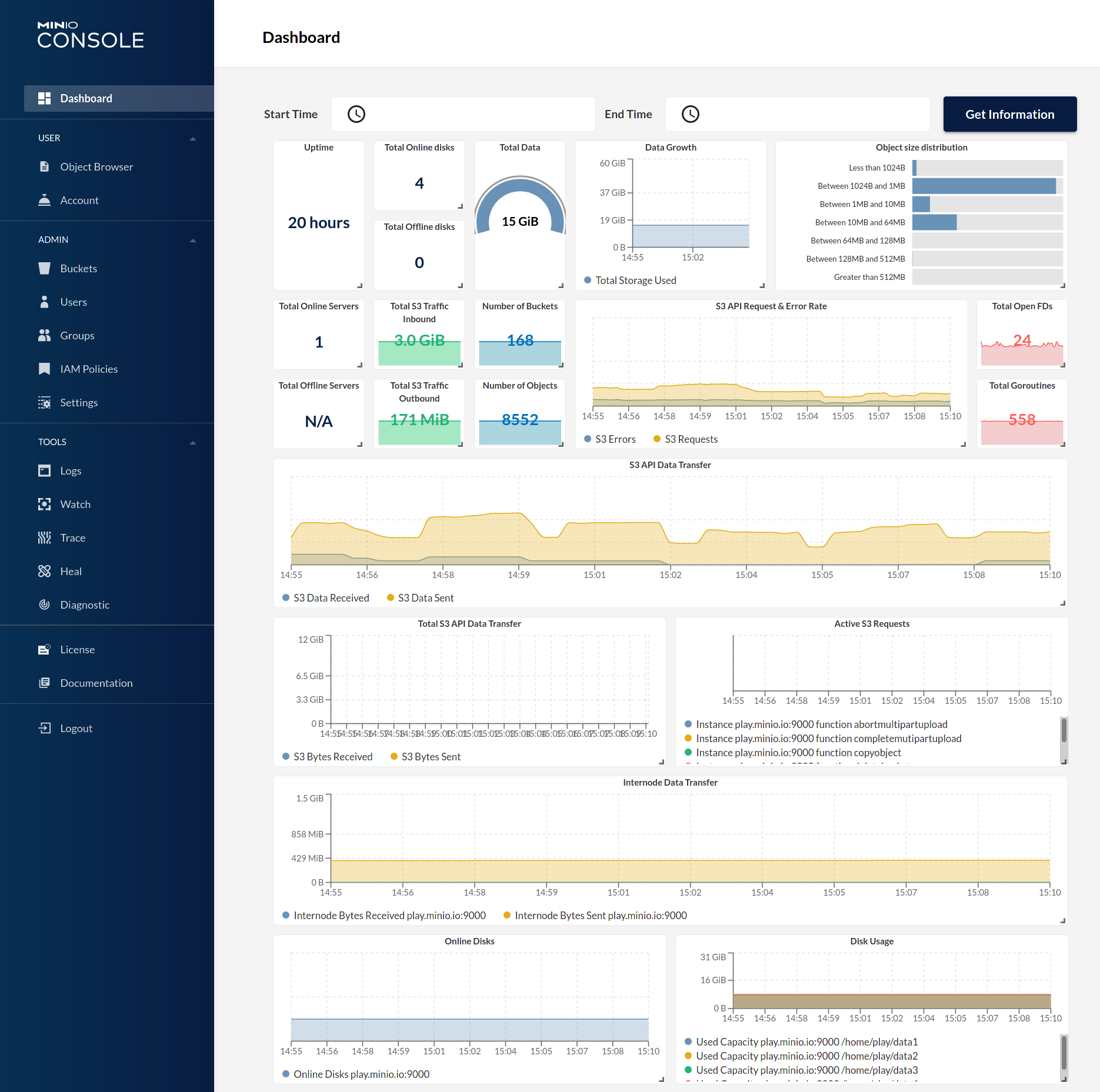 | 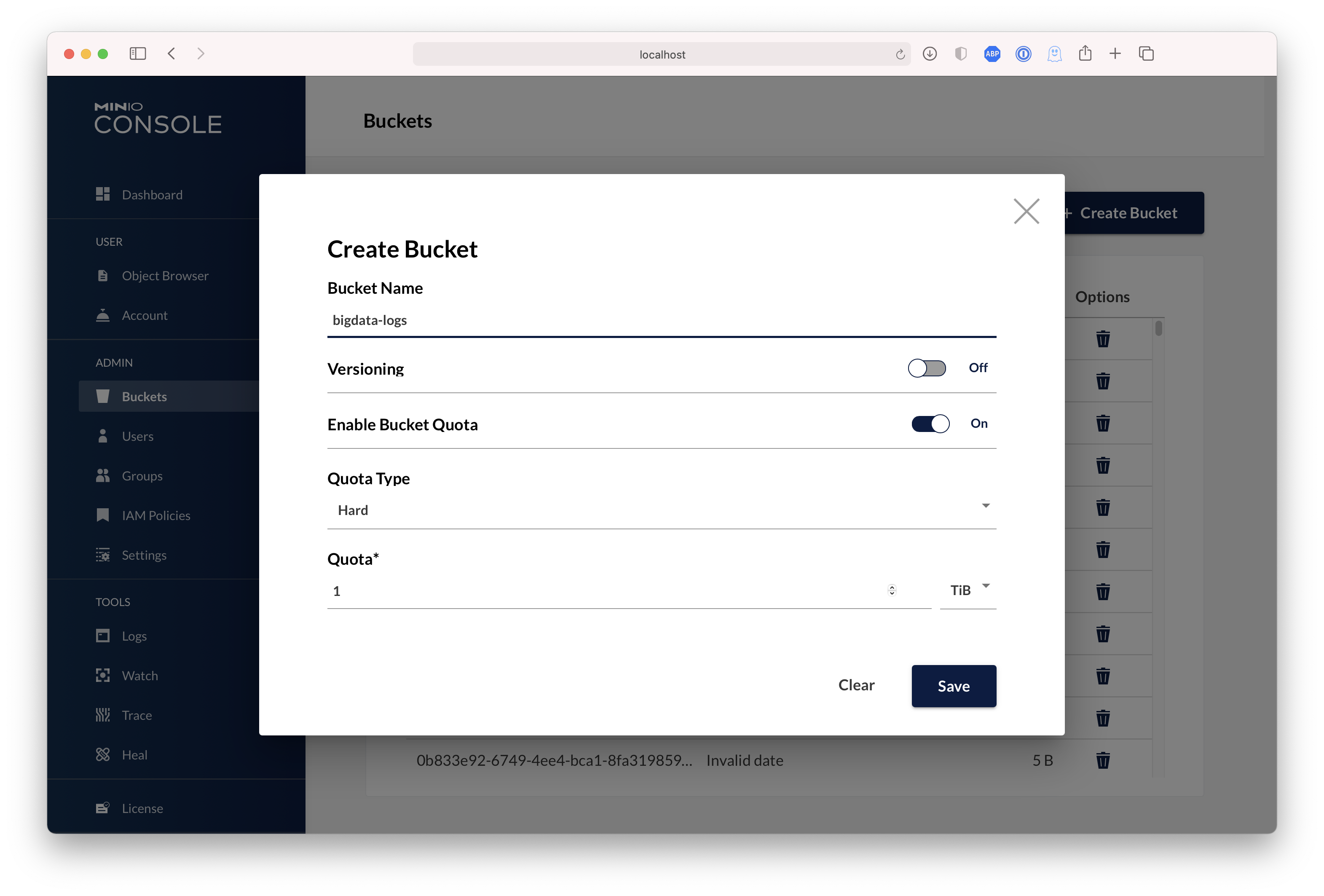 |
|
||||
|
||||
+13
-14
@@ -984,18 +984,13 @@ func (a adminAPIHandlers) AccountInfoHandler(w http.ResponseWriter, r *http.Requ
|
||||
// Set delimiter value for "s3:delimiter" policy conditionals.
|
||||
r.Header.Set("delimiter", SlashSeparator)
|
||||
|
||||
parentUser := cred.AccessKey
|
||||
if cred.ParentUser != "" {
|
||||
parentUser = cred.ParentUser
|
||||
}
|
||||
|
||||
isAllowedAccess := func(bucketName string) (rd, wr bool) {
|
||||
if globalIAMSys.IsAllowed(iampolicy.Args{
|
||||
AccountName: parentUser,
|
||||
AccountName: cred.AccessKey,
|
||||
Groups: cred.Groups,
|
||||
Action: iampolicy.ListBucketAction,
|
||||
BucketName: bucketName,
|
||||
ConditionValues: getConditionValues(r, "", parentUser, claims),
|
||||
ConditionValues: getConditionValues(r, "", cred.AccessKey, claims),
|
||||
IsOwner: owner,
|
||||
ObjectName: "",
|
||||
Claims: claims,
|
||||
@@ -1004,11 +999,11 @@ func (a adminAPIHandlers) AccountInfoHandler(w http.ResponseWriter, r *http.Requ
|
||||
}
|
||||
|
||||
if globalIAMSys.IsAllowed(iampolicy.Args{
|
||||
AccountName: parentUser,
|
||||
AccountName: cred.AccessKey,
|
||||
Groups: cred.Groups,
|
||||
Action: iampolicy.PutObjectAction,
|
||||
BucketName: bucketName,
|
||||
ConditionValues: getConditionValues(r, "", parentUser, claims),
|
||||
ConditionValues: getConditionValues(r, "", cred.AccessKey, claims),
|
||||
IsOwner: owner,
|
||||
ObjectName: "",
|
||||
Claims: claims,
|
||||
@@ -1019,11 +1014,15 @@ func (a adminAPIHandlers) AccountInfoHandler(w http.ResponseWriter, r *http.Requ
|
||||
return rd, wr
|
||||
}
|
||||
|
||||
// Load the latest calculated data usage
|
||||
dataUsageInfo, err := loadDataUsageFromBackend(ctx, objectAPI)
|
||||
if err != nil {
|
||||
// log the error, continue with the accounting response
|
||||
logger.LogIf(ctx, err)
|
||||
var dataUsageInfo madmin.DataUsageInfo
|
||||
var err error
|
||||
if !globalIsGateway {
|
||||
// Load the latest calculated data usage
|
||||
dataUsageInfo, err = loadDataUsageFromBackend(ctx, objectAPI)
|
||||
if err != nil {
|
||||
// log the error, continue with the accounting response
|
||||
logger.LogIf(ctx, err)
|
||||
}
|
||||
}
|
||||
|
||||
// If etcd, dns federation configured list buckets from etcd.
|
||||
|
||||
@@ -19,6 +19,7 @@ package cmd
|
||||
|
||||
import (
|
||||
"context"
|
||||
crand "crypto/rand"
|
||||
"crypto/subtle"
|
||||
"crypto/tls"
|
||||
"encoding/json"
|
||||
@@ -37,6 +38,7 @@ import (
|
||||
"time"
|
||||
|
||||
"github.com/gorilla/mux"
|
||||
"github.com/klauspost/compress/zip"
|
||||
"github.com/minio/kes"
|
||||
"github.com/minio/madmin-go"
|
||||
"github.com/minio/minio/internal/auth"
|
||||
@@ -49,6 +51,7 @@ import (
|
||||
"github.com/minio/minio/internal/logger/message/log"
|
||||
iampolicy "github.com/minio/pkg/iam/policy"
|
||||
xnet "github.com/minio/pkg/net"
|
||||
"github.com/secure-io/sio-go"
|
||||
)
|
||||
|
||||
const (
|
||||
@@ -1951,3 +1954,104 @@ func checkConnection(endpointStr string, timeout time.Duration) error {
|
||||
defer xhttp.DrainBody(resp.Body)
|
||||
return nil
|
||||
}
|
||||
|
||||
// getRawDataer provides an interface for getting raw FS files.
|
||||
type getRawDataer interface {
|
||||
GetRawData(ctx context.Context, volume, file string, fn func(r io.Reader, host string, disk string, filename string, size int64, modtime time.Time) error) error
|
||||
}
|
||||
|
||||
// InspectDataHandler - GET /minio/admin/v3/inspect-data
|
||||
// ----------
|
||||
// Download file from all nodes in a zip format
|
||||
func (a adminAPIHandlers) InspectDataHandler(w http.ResponseWriter, r *http.Request) {
|
||||
ctx := newContext(r, w, "InspectData")
|
||||
|
||||
// Validate request signature.
|
||||
_, adminAPIErr := checkAdminRequestAuth(ctx, r, iampolicy.InspectDataAction, "")
|
||||
if adminAPIErr != ErrNone {
|
||||
writeErrorResponseJSON(ctx, w, errorCodes.ToAPIErr(adminAPIErr), r.URL)
|
||||
return
|
||||
}
|
||||
defer logger.AuditLog(ctx, w, r, mustGetClaimsFromToken(r))
|
||||
|
||||
o, ok := newObjectLayerFn().(getRawDataer)
|
||||
if !ok {
|
||||
writeErrorResponseJSON(ctx, w, errorCodes.ToAPIErr(ErrNotImplemented), r.URL)
|
||||
return
|
||||
}
|
||||
|
||||
volume := r.URL.Query().Get("volume")
|
||||
file := r.URL.Query().Get("file")
|
||||
if len(volume) == 0 {
|
||||
writeErrorResponseJSON(ctx, w, errorCodes.ToAPIErr(ErrInvalidBucketName), r.URL)
|
||||
return
|
||||
}
|
||||
if len(file) == 0 {
|
||||
writeErrorResponseJSON(ctx, w, errorCodes.ToAPIErr(ErrInvalidRequest), r.URL)
|
||||
return
|
||||
}
|
||||
|
||||
var key [32]byte
|
||||
// MUST use crypto/rand
|
||||
n, err := crand.Read(key[:])
|
||||
if err != nil || n != len(key) {
|
||||
logger.LogIf(ctx, err)
|
||||
writeErrorResponseJSON(ctx, w, errorCodes.ToAPIErr(ErrInternalError), r.URL)
|
||||
return
|
||||
}
|
||||
stream, err := sio.AES_256_GCM.Stream(key[:])
|
||||
if err != nil {
|
||||
logger.LogIf(ctx, err)
|
||||
writeErrorResponseJSON(ctx, w, errorCodes.ToAPIErr(ErrInternalError), r.URL)
|
||||
return
|
||||
}
|
||||
// Zero nonce, we only use each key once, and 32 bytes is plenty.
|
||||
nonce := make([]byte, stream.NonceSize())
|
||||
encw := stream.EncryptWriter(w, nonce, nil)
|
||||
|
||||
defer encw.Close()
|
||||
|
||||
// Write a version for making *incompatible* changes.
|
||||
// The AdminClient will reject any version it does not know.
|
||||
w.Write([]byte{1})
|
||||
|
||||
// Write key first (without encryption)
|
||||
_, err = w.Write(key[:])
|
||||
if err != nil {
|
||||
writeErrorResponseJSON(ctx, w, errorCodes.ToAPIErr(ErrInternalError), r.URL)
|
||||
return
|
||||
}
|
||||
|
||||
// Initialize a zip writer which will provide a zipped content
|
||||
// of profiling data of all nodes
|
||||
zipWriter := zip.NewWriter(encw)
|
||||
defer zipWriter.Close()
|
||||
|
||||
err = o.GetRawData(ctx, volume, file, func(r io.Reader, host, disk, filename string, size int64, modtime time.Time) error {
|
||||
// Prefix host+disk
|
||||
filename = path.Join(host, disk, filename)
|
||||
header, zerr := zip.FileInfoHeader(dummyFileInfo{
|
||||
name: filename,
|
||||
size: size,
|
||||
mode: 0600,
|
||||
modTime: modtime,
|
||||
isDir: false,
|
||||
sys: nil,
|
||||
})
|
||||
if zerr != nil {
|
||||
logger.LogIf(ctx, zerr)
|
||||
return nil
|
||||
}
|
||||
header.Method = zip.Deflate
|
||||
zwriter, zerr := zipWriter.CreateHeader(header)
|
||||
if zerr != nil {
|
||||
logger.LogIf(ctx, zerr)
|
||||
return nil
|
||||
}
|
||||
if _, err = io.Copy(zwriter, r); err != nil {
|
||||
logger.LogIf(ctx, err)
|
||||
}
|
||||
return nil
|
||||
})
|
||||
logger.LogIf(ctx, err)
|
||||
}
|
||||
|
||||
@@ -77,7 +77,7 @@ func prepareAdminErasureTestBed(ctx context.Context) (*adminErasureTestBed, erro
|
||||
|
||||
// Setup admin mgmt REST API handlers.
|
||||
adminRouter := mux.NewRouter()
|
||||
registerAdminRouter(adminRouter, true, true)
|
||||
registerAdminRouter(adminRouter, true)
|
||||
|
||||
return &adminErasureTestBed{
|
||||
erasureDirs: erasureDirs,
|
||||
|
||||
+41
-42
@@ -34,7 +34,7 @@ const (
|
||||
type adminAPIHandlers struct{}
|
||||
|
||||
// registerAdminRouter - Add handler functions for each service REST API routes.
|
||||
func registerAdminRouter(router *mux.Router, enableConfigOps, enableIAMOps bool) {
|
||||
func registerAdminRouter(router *mux.Router, enableConfigOps bool) {
|
||||
|
||||
adminAPI := adminAPIHandlers{}
|
||||
// Admin router
|
||||
@@ -54,6 +54,7 @@ func registerAdminRouter(router *mux.Router, enableConfigOps, enableIAMOps bool)
|
||||
|
||||
// Info operations
|
||||
adminRouter.Methods(http.MethodGet).Path(adminVersion + "/info").HandlerFunc(httpTraceAll(adminAPI.ServerInfoHandler))
|
||||
adminRouter.Methods(http.MethodGet).Path(adminVersion+"/inspect-data").HandlerFunc(httpTraceHdrs(adminAPI.InspectDataHandler)).Queries("volume", "{volume:.*}", "file", "{file:.*}")
|
||||
|
||||
// StorageInfo operations
|
||||
adminRouter.Methods(http.MethodGet).Path(adminVersion + "/storageinfo").HandlerFunc(httpTraceAll(adminAPI.StorageInfoHandler))
|
||||
@@ -104,61 +105,59 @@ func registerAdminRouter(router *mux.Router, enableConfigOps, enableIAMOps bool)
|
||||
adminRouter.Methods(http.MethodPut).Path(adminVersion + "/config").HandlerFunc(httpTraceHdrs(adminAPI.SetConfigHandler))
|
||||
}
|
||||
|
||||
if enableIAMOps {
|
||||
// -- IAM APIs --
|
||||
// -- IAM APIs --
|
||||
|
||||
// Add policy IAM
|
||||
adminRouter.Methods(http.MethodPut).Path(adminVersion+"/add-canned-policy").HandlerFunc(httpTraceAll(adminAPI.AddCannedPolicy)).Queries("name", "{name:.*}")
|
||||
// Add policy IAM
|
||||
adminRouter.Methods(http.MethodPut).Path(adminVersion+"/add-canned-policy").HandlerFunc(httpTraceAll(adminAPI.AddCannedPolicy)).Queries("name", "{name:.*}")
|
||||
|
||||
// Add user IAM
|
||||
adminRouter.Methods(http.MethodGet).Path(adminVersion + "/accountinfo").HandlerFunc(httpTraceAll(adminAPI.AccountInfoHandler))
|
||||
// Add user IAM
|
||||
adminRouter.Methods(http.MethodGet).Path(adminVersion + "/accountinfo").HandlerFunc(httpTraceAll(adminAPI.AccountInfoHandler))
|
||||
|
||||
adminRouter.Methods(http.MethodPut).Path(adminVersion+"/add-user").HandlerFunc(httpTraceHdrs(adminAPI.AddUser)).Queries("accessKey", "{accessKey:.*}")
|
||||
adminRouter.Methods(http.MethodPut).Path(adminVersion+"/add-user").HandlerFunc(httpTraceHdrs(adminAPI.AddUser)).Queries("accessKey", "{accessKey:.*}")
|
||||
|
||||
adminRouter.Methods(http.MethodPut).Path(adminVersion+"/set-user-status").HandlerFunc(httpTraceHdrs(adminAPI.SetUserStatus)).Queries("accessKey", "{accessKey:.*}").Queries("status", "{status:.*}")
|
||||
adminRouter.Methods(http.MethodPut).Path(adminVersion+"/set-user-status").HandlerFunc(httpTraceHdrs(adminAPI.SetUserStatus)).Queries("accessKey", "{accessKey:.*}").Queries("status", "{status:.*}")
|
||||
|
||||
// Service accounts ops
|
||||
adminRouter.Methods(http.MethodPut).Path(adminVersion + "/add-service-account").HandlerFunc(httpTraceHdrs(adminAPI.AddServiceAccount))
|
||||
adminRouter.Methods(http.MethodPost).Path(adminVersion+"/update-service-account").HandlerFunc(httpTraceHdrs(adminAPI.UpdateServiceAccount)).Queries("accessKey", "{accessKey:.*}")
|
||||
adminRouter.Methods(http.MethodGet).Path(adminVersion+"/info-service-account").HandlerFunc(httpTraceHdrs(adminAPI.InfoServiceAccount)).Queries("accessKey", "{accessKey:.*}")
|
||||
adminRouter.Methods(http.MethodGet).Path(adminVersion + "/list-service-accounts").HandlerFunc(httpTraceHdrs(adminAPI.ListServiceAccounts))
|
||||
adminRouter.Methods(http.MethodDelete).Path(adminVersion+"/delete-service-account").HandlerFunc(httpTraceHdrs(adminAPI.DeleteServiceAccount)).Queries("accessKey", "{accessKey:.*}")
|
||||
// Service accounts ops
|
||||
adminRouter.Methods(http.MethodPut).Path(adminVersion + "/add-service-account").HandlerFunc(httpTraceHdrs(adminAPI.AddServiceAccount))
|
||||
adminRouter.Methods(http.MethodPost).Path(adminVersion+"/update-service-account").HandlerFunc(httpTraceHdrs(adminAPI.UpdateServiceAccount)).Queries("accessKey", "{accessKey:.*}")
|
||||
adminRouter.Methods(http.MethodGet).Path(adminVersion+"/info-service-account").HandlerFunc(httpTraceHdrs(adminAPI.InfoServiceAccount)).Queries("accessKey", "{accessKey:.*}")
|
||||
adminRouter.Methods(http.MethodGet).Path(adminVersion + "/list-service-accounts").HandlerFunc(httpTraceHdrs(adminAPI.ListServiceAccounts))
|
||||
adminRouter.Methods(http.MethodDelete).Path(adminVersion+"/delete-service-account").HandlerFunc(httpTraceHdrs(adminAPI.DeleteServiceAccount)).Queries("accessKey", "{accessKey:.*}")
|
||||
|
||||
// Info policy IAM latest
|
||||
adminRouter.Methods(http.MethodGet).Path(adminVersion+"/info-canned-policy").HandlerFunc(httpTraceHdrs(adminAPI.InfoCannedPolicy)).Queries("name", "{name:.*}")
|
||||
// List policies latest
|
||||
adminRouter.Methods(http.MethodGet).Path(adminVersion+"/list-canned-policies").HandlerFunc(httpTraceHdrs(adminAPI.ListBucketPolicies)).Queries("bucket", "{bucket:.*}")
|
||||
adminRouter.Methods(http.MethodGet).Path(adminVersion + "/list-canned-policies").HandlerFunc(httpTraceHdrs(adminAPI.ListCannedPolicies))
|
||||
// Info policy IAM latest
|
||||
adminRouter.Methods(http.MethodGet).Path(adminVersion+"/info-canned-policy").HandlerFunc(httpTraceHdrs(adminAPI.InfoCannedPolicy)).Queries("name", "{name:.*}")
|
||||
// List policies latest
|
||||
adminRouter.Methods(http.MethodGet).Path(adminVersion+"/list-canned-policies").HandlerFunc(httpTraceHdrs(adminAPI.ListBucketPolicies)).Queries("bucket", "{bucket:.*}")
|
||||
adminRouter.Methods(http.MethodGet).Path(adminVersion + "/list-canned-policies").HandlerFunc(httpTraceHdrs(adminAPI.ListCannedPolicies))
|
||||
|
||||
// Remove policy IAM
|
||||
adminRouter.Methods(http.MethodDelete).Path(adminVersion+"/remove-canned-policy").HandlerFunc(httpTraceHdrs(adminAPI.RemoveCannedPolicy)).Queries("name", "{name:.*}")
|
||||
// Remove policy IAM
|
||||
adminRouter.Methods(http.MethodDelete).Path(adminVersion+"/remove-canned-policy").HandlerFunc(httpTraceHdrs(adminAPI.RemoveCannedPolicy)).Queries("name", "{name:.*}")
|
||||
|
||||
// Set user or group policy
|
||||
adminRouter.Methods(http.MethodPut).Path(adminVersion+"/set-user-or-group-policy").
|
||||
HandlerFunc(httpTraceHdrs(adminAPI.SetPolicyForUserOrGroup)).
|
||||
Queries("policyName", "{policyName:.*}", "userOrGroup", "{userOrGroup:.*}", "isGroup", "{isGroup:true|false}")
|
||||
// Set user or group policy
|
||||
adminRouter.Methods(http.MethodPut).Path(adminVersion+"/set-user-or-group-policy").
|
||||
HandlerFunc(httpTraceHdrs(adminAPI.SetPolicyForUserOrGroup)).
|
||||
Queries("policyName", "{policyName:.*}", "userOrGroup", "{userOrGroup:.*}", "isGroup", "{isGroup:true|false}")
|
||||
|
||||
// Remove user IAM
|
||||
adminRouter.Methods(http.MethodDelete).Path(adminVersion+"/remove-user").HandlerFunc(httpTraceHdrs(adminAPI.RemoveUser)).Queries("accessKey", "{accessKey:.*}")
|
||||
// Remove user IAM
|
||||
adminRouter.Methods(http.MethodDelete).Path(adminVersion+"/remove-user").HandlerFunc(httpTraceHdrs(adminAPI.RemoveUser)).Queries("accessKey", "{accessKey:.*}")
|
||||
|
||||
// List users
|
||||
adminRouter.Methods(http.MethodGet).Path(adminVersion+"/list-users").HandlerFunc(httpTraceHdrs(adminAPI.ListBucketUsers)).Queries("bucket", "{bucket:.*}")
|
||||
adminRouter.Methods(http.MethodGet).Path(adminVersion + "/list-users").HandlerFunc(httpTraceHdrs(adminAPI.ListUsers))
|
||||
// List users
|
||||
adminRouter.Methods(http.MethodGet).Path(adminVersion+"/list-users").HandlerFunc(httpTraceHdrs(adminAPI.ListBucketUsers)).Queries("bucket", "{bucket:.*}")
|
||||
adminRouter.Methods(http.MethodGet).Path(adminVersion + "/list-users").HandlerFunc(httpTraceHdrs(adminAPI.ListUsers))
|
||||
|
||||
// User info
|
||||
adminRouter.Methods(http.MethodGet).Path(adminVersion+"/user-info").HandlerFunc(httpTraceHdrs(adminAPI.GetUserInfo)).Queries("accessKey", "{accessKey:.*}")
|
||||
// Add/Remove members from group
|
||||
adminRouter.Methods(http.MethodPut).Path(adminVersion + "/update-group-members").HandlerFunc(httpTraceHdrs(adminAPI.UpdateGroupMembers))
|
||||
// User info
|
||||
adminRouter.Methods(http.MethodGet).Path(adminVersion+"/user-info").HandlerFunc(httpTraceHdrs(adminAPI.GetUserInfo)).Queries("accessKey", "{accessKey:.*}")
|
||||
// Add/Remove members from group
|
||||
adminRouter.Methods(http.MethodPut).Path(adminVersion + "/update-group-members").HandlerFunc(httpTraceHdrs(adminAPI.UpdateGroupMembers))
|
||||
|
||||
// Get Group
|
||||
adminRouter.Methods(http.MethodGet).Path(adminVersion+"/group").HandlerFunc(httpTraceHdrs(adminAPI.GetGroup)).Queries("group", "{group:.*}")
|
||||
// Get Group
|
||||
adminRouter.Methods(http.MethodGet).Path(adminVersion+"/group").HandlerFunc(httpTraceHdrs(adminAPI.GetGroup)).Queries("group", "{group:.*}")
|
||||
|
||||
// List Groups
|
||||
adminRouter.Methods(http.MethodGet).Path(adminVersion + "/groups").HandlerFunc(httpTraceHdrs(adminAPI.ListGroups))
|
||||
// List Groups
|
||||
adminRouter.Methods(http.MethodGet).Path(adminVersion + "/groups").HandlerFunc(httpTraceHdrs(adminAPI.ListGroups))
|
||||
|
||||
// Set Group Status
|
||||
adminRouter.Methods(http.MethodPut).Path(adminVersion+"/set-group-status").HandlerFunc(httpTraceHdrs(adminAPI.SetGroupStatus)).Queries("group", "{group:.*}").Queries("status", "{status:.*}")
|
||||
}
|
||||
// Set Group Status
|
||||
adminRouter.Methods(http.MethodPut).Path(adminVersion+"/set-group-status").HandlerFunc(httpTraceHdrs(adminAPI.SetGroupStatus)).Queries("group", "{group:.*}").Queries("status", "{status:.*}")
|
||||
|
||||
if globalIsDistErasure || globalIsErasure {
|
||||
// GetBucketQuotaConfig
|
||||
|
||||
@@ -174,7 +174,7 @@ func getConditionValues(r *http.Request, lc string, username string, claims map[
|
||||
// Special case for AD/LDAP STS users
|
||||
if k == ldapUser {
|
||||
args["user"] = []string{vStr}
|
||||
} else if k == ldapUsername {
|
||||
} else if k == ldapUserN {
|
||||
args["username"] = []string{vStr}
|
||||
} else {
|
||||
args[k] = []string{vStr}
|
||||
|
||||
@@ -415,6 +415,22 @@ func handleCommonEnvVars() {
|
||||
if err != nil {
|
||||
logger.Fatal(config.ErrInvalidBrowserValue(err), "Invalid MINIO_BROWSER value in environment variable")
|
||||
}
|
||||
if globalBrowserEnabled {
|
||||
if redirectURL := env.Get(config.EnvMinIOBrowserRedirectURL, ""); redirectURL != "" {
|
||||
u, err := xnet.ParseHTTPURL(redirectURL)
|
||||
if err != nil {
|
||||
logger.Fatal(err, "Invalid MINIO_BROWSER_REDIRECT value in environment variable")
|
||||
}
|
||||
// Look for if URL has invalid values and return error.
|
||||
if !((u.Scheme == "http" || u.Scheme == "https") &&
|
||||
(u.Path == "/" || u.Path == "") && u.Opaque == "" &&
|
||||
!u.ForceQuery && u.RawQuery == "" && u.Fragment == "") {
|
||||
err := fmt.Errorf("URL contains unexpected resources, expected URL to be of http(s)://minio.example.com format: %v", u)
|
||||
logger.Fatal(err, "Invalid MINIO_BROWSER_REDIRECT value is environment variable")
|
||||
}
|
||||
globalBrowserRedirectURL = u
|
||||
}
|
||||
}
|
||||
|
||||
globalFSOSync, err = config.ParseBool(env.Get(config.EnvFSOSync, config.EnableOff))
|
||||
if err != nil {
|
||||
|
||||
@@ -147,6 +147,39 @@ func (z *erasureServerPools) GetDisksID(ids ...string) []StorageAPI {
|
||||
return res
|
||||
}
|
||||
|
||||
// GetRawData will return all files with a given raw path to the callback.
|
||||
// Errors are ignored, only errors from the callback are returned.
|
||||
// For now only direct file paths are supported.
|
||||
func (z *erasureServerPools) GetRawData(ctx context.Context, volume, file string, fn func(r io.Reader, host string, disk string, filename string, size int64, modtime time.Time) error) error {
|
||||
for _, s := range z.serverPools {
|
||||
for _, disks := range s.erasureDisks {
|
||||
for i, disk := range disks {
|
||||
if disk == OfflineDisk {
|
||||
continue
|
||||
}
|
||||
si, err := disk.StatInfoFile(ctx, volume, file)
|
||||
if err != nil {
|
||||
continue
|
||||
}
|
||||
r, err := disk.ReadFileStream(ctx, volume, file, 0, si.Size)
|
||||
if err != nil {
|
||||
continue
|
||||
}
|
||||
defer r.Close()
|
||||
did, err := disk.GetDiskID()
|
||||
if err != nil {
|
||||
did = fmt.Sprintf("disk-%d", i)
|
||||
}
|
||||
err = fn(r, disk.Hostname(), did, pathJoin(volume, file), si.Size, si.ModTime)
|
||||
if err != nil {
|
||||
return err
|
||||
}
|
||||
}
|
||||
}
|
||||
}
|
||||
return nil
|
||||
}
|
||||
|
||||
func (z *erasureServerPools) SetDriveCounts() []int {
|
||||
setDriveCounts := make([]int, len(z.serverPools))
|
||||
for i := range z.serverPools {
|
||||
|
||||
+18
-1
@@ -27,6 +27,7 @@ import (
|
||||
"os"
|
||||
"os/user"
|
||||
"path"
|
||||
"path/filepath"
|
||||
"sort"
|
||||
"strings"
|
||||
"sync"
|
||||
@@ -533,7 +534,7 @@ func (fs *FSObjects) ListBuckets(ctx context.Context) ([]BucketInfo, error) {
|
||||
atomic.AddInt64(&fs.activeIOCount, -1)
|
||||
}()
|
||||
|
||||
entries, err := readDir(fs.fsPath)
|
||||
entries, err := readDirWithOpts(fs.fsPath, readDirOpts{count: -1, followDirSymlink: true})
|
||||
if err != nil {
|
||||
logger.LogIf(ctx, errDiskNotFound)
|
||||
return nil, toObjectErr(errDiskNotFound)
|
||||
@@ -1509,3 +1510,19 @@ func (fs *FSObjects) TransitionObject(ctx context.Context, bucket, object string
|
||||
func (fs *FSObjects) RestoreTransitionedObject(ctx context.Context, bucket, object string, opts ObjectOptions) error {
|
||||
return NotImplemented{}
|
||||
}
|
||||
|
||||
// GetRawData returns raw file data to the callback.
|
||||
// Errors are ignored, only errors from the callback are returned.
|
||||
// For now only direct file paths are supported.
|
||||
func (fs *FSObjects) GetRawData(ctx context.Context, volume, file string, fn func(r io.Reader, host string, disk string, filename string, size int64, modtime time.Time) error) error {
|
||||
f, err := os.Open(filepath.Join(fs.fsPath, volume, file))
|
||||
if err != nil {
|
||||
return nil
|
||||
}
|
||||
defer f.Close()
|
||||
st, err := f.Stat()
|
||||
if err != nil || st.IsDir() {
|
||||
return nil
|
||||
}
|
||||
return fn(f, "fs", fs.fsUUID, file, st.Size(), st.ModTime())
|
||||
}
|
||||
|
||||
+6
-12
@@ -248,16 +248,12 @@ func StartGateway(ctx *cli.Context, gw Gateway) {
|
||||
// avoid URL path encoding minio/minio#8950
|
||||
router := mux.NewRouter().SkipClean(true).UseEncodedPath()
|
||||
|
||||
if globalEtcdClient != nil {
|
||||
// Enable STS router if etcd is enabled.
|
||||
registerSTSRouter(router)
|
||||
}
|
||||
|
||||
enableIAMOps := globalEtcdClient != nil
|
||||
// Enable STS router if etcd is enabled.
|
||||
registerSTSRouter(router)
|
||||
|
||||
// Enable IAM admin APIs if etcd is enabled, if not just enable basic
|
||||
// operations such as profiling, server info etc.
|
||||
registerAdminRouter(router, enableConfigOps, enableIAMOps)
|
||||
registerAdminRouter(router, enableConfigOps)
|
||||
|
||||
// Add healthcheck router
|
||||
registerHealthCheckRouter(router)
|
||||
@@ -315,12 +311,10 @@ func StartGateway(ctx *cli.Context, gw Gateway) {
|
||||
logger.FatalIf(globalNotificationSys.Init(GlobalContext, buckets, newObject), "Unable to initialize notification system")
|
||||
}
|
||||
|
||||
if enableIAMOps {
|
||||
// Initialize users credentials and policies in background.
|
||||
globalIAMSys.InitStore(newObject)
|
||||
// Initialize users credentials and policies in background.
|
||||
globalIAMSys.InitStore(newObject)
|
||||
|
||||
go globalIAMSys.Init(GlobalContext, newObject)
|
||||
}
|
||||
go globalIAMSys.Init(GlobalContext, newObject)
|
||||
|
||||
if globalCacheConfig.Enabled {
|
||||
// initialize the new disk cache objects.
|
||||
|
||||
@@ -21,13 +21,13 @@ import (
|
||||
"context"
|
||||
"net"
|
||||
"net/http"
|
||||
"net/url"
|
||||
"path"
|
||||
"strings"
|
||||
"sync/atomic"
|
||||
"time"
|
||||
|
||||
"github.com/minio/minio-go/v7/pkg/set"
|
||||
xnet "github.com/minio/pkg/net"
|
||||
|
||||
humanize "github.com/dustin/go-humanize"
|
||||
"github.com/minio/minio/internal/config/dns"
|
||||
@@ -183,7 +183,7 @@ func shouldProxy() bool {
|
||||
// redirectable, this is purely internal function and
|
||||
// serves only limited purpose on redirect-handler for
|
||||
// browser requests.
|
||||
func getRedirectLocation(r *http.Request) *url.URL {
|
||||
func getRedirectLocation(r *http.Request) *xnet.URL {
|
||||
resource, err := getResource(r.URL.Path, r.Host, globalDomainNames)
|
||||
if err != nil {
|
||||
return nil
|
||||
@@ -197,11 +197,14 @@ func getRedirectLocation(r *http.Request) *url.URL {
|
||||
} {
|
||||
bucket, _ := path2BucketObject(resource)
|
||||
if path.Clean(bucket) == prefix || resource == slashSeparator {
|
||||
if globalBrowserRedirectURL != nil {
|
||||
return globalBrowserRedirectURL
|
||||
}
|
||||
hostname, _, _ := net.SplitHostPort(r.Host)
|
||||
if hostname == "" {
|
||||
hostname = r.Host
|
||||
}
|
||||
return &url.URL{
|
||||
return &xnet.URL{
|
||||
Host: net.JoinHostPort(hostname, globalMinioConsolePort),
|
||||
Scheme: func() string {
|
||||
scheme := "http"
|
||||
|
||||
@@ -45,6 +45,7 @@ import (
|
||||
"github.com/minio/minio/internal/event"
|
||||
"github.com/minio/minio/internal/pubsub"
|
||||
"github.com/minio/pkg/certs"
|
||||
xnet "github.com/minio/pkg/net"
|
||||
)
|
||||
|
||||
// minio configuration related constants.
|
||||
@@ -137,6 +138,10 @@ var (
|
||||
// This flag is set to 'true' by default
|
||||
globalBrowserEnabled = true
|
||||
|
||||
// Custom browser redirect URL, not set by default
|
||||
// and it is automatically deduced.
|
||||
globalBrowserRedirectURL *xnet.URL
|
||||
|
||||
// This flag is set to 'true' when MINIO_UPDATE env is set to 'off'. Default is false.
|
||||
globalInplaceUpdateDisabled = false
|
||||
|
||||
|
||||
@@ -0,0 +1,133 @@
|
||||
// Copyright (c) 2015-2021 MinIO, Inc.
|
||||
//
|
||||
// This file is part of MinIO Object Storage stack
|
||||
//
|
||||
// This program is free software: you can redistribute it and/or modify
|
||||
// it under the terms of the GNU Affero General Public License as published by
|
||||
// the Free Software Foundation, either version 3 of the License, or
|
||||
// (at your option) any later version.
|
||||
//
|
||||
// This program is distributed in the hope that it will be useful
|
||||
// but WITHOUT ANY WARRANTY; without even the implied warranty of
|
||||
// MERCHANTABILITY or FITNESS FOR A PARTICULAR PURPOSE. See the
|
||||
// GNU Affero General Public License for more details.
|
||||
//
|
||||
// You should have received a copy of the GNU Affero General Public License
|
||||
// along with this program. If not, see <http://www.gnu.org/licenses/>.
|
||||
|
||||
package cmd
|
||||
|
||||
import (
|
||||
"context"
|
||||
"sync"
|
||||
|
||||
"github.com/minio/minio/internal/auth"
|
||||
iampolicy "github.com/minio/pkg/iam/policy"
|
||||
)
|
||||
|
||||
type iamDummyStore struct {
|
||||
sync.RWMutex
|
||||
}
|
||||
|
||||
func (ids *iamDummyStore) lock() {
|
||||
ids.Lock()
|
||||
}
|
||||
|
||||
func (ids *iamDummyStore) unlock() {
|
||||
ids.Unlock()
|
||||
}
|
||||
|
||||
func (ids *iamDummyStore) rlock() {
|
||||
ids.RLock()
|
||||
}
|
||||
|
||||
func (ids *iamDummyStore) runlock() {
|
||||
ids.RUnlock()
|
||||
}
|
||||
|
||||
func (ids *iamDummyStore) migrateBackendFormat(context.Context) error {
|
||||
return nil
|
||||
}
|
||||
|
||||
func (ids *iamDummyStore) loadPolicyDoc(ctx context.Context, policy string, m map[string]iampolicy.Policy) error {
|
||||
return nil
|
||||
}
|
||||
|
||||
func (ids *iamDummyStore) loadPolicyDocs(ctx context.Context, m map[string]iampolicy.Policy) error {
|
||||
return nil
|
||||
}
|
||||
|
||||
func (ids *iamDummyStore) loadUser(ctx context.Context, user string, userType IAMUserType, m map[string]auth.Credentials) error {
|
||||
return nil
|
||||
}
|
||||
|
||||
func (ids *iamDummyStore) loadUsers(ctx context.Context, userType IAMUserType, m map[string]auth.Credentials) error {
|
||||
return nil
|
||||
}
|
||||
|
||||
func (ids *iamDummyStore) loadGroup(ctx context.Context, group string, m map[string]GroupInfo) error {
|
||||
return nil
|
||||
}
|
||||
|
||||
func (ids *iamDummyStore) loadGroups(ctx context.Context, m map[string]GroupInfo) error {
|
||||
return nil
|
||||
}
|
||||
|
||||
func (ids *iamDummyStore) loadMappedPolicy(ctx context.Context, name string, userType IAMUserType, isGroup bool, m map[string]MappedPolicy) error {
|
||||
return nil
|
||||
}
|
||||
|
||||
func (ids *iamDummyStore) loadMappedPolicies(ctx context.Context, userType IAMUserType, isGroup bool, m map[string]MappedPolicy) error {
|
||||
return nil
|
||||
}
|
||||
|
||||
func (ids *iamDummyStore) loadAll(ctx context.Context, sys *IAMSys) error {
|
||||
return sys.Load(ctx, ids)
|
||||
}
|
||||
|
||||
func (ids *iamDummyStore) saveIAMConfig(ctx context.Context, item interface{}, path string, opts ...options) error {
|
||||
return nil
|
||||
}
|
||||
|
||||
func (ids *iamDummyStore) loadIAMConfig(ctx context.Context, item interface{}, path string) error {
|
||||
return nil
|
||||
}
|
||||
|
||||
func (ids *iamDummyStore) deleteIAMConfig(ctx context.Context, path string) error {
|
||||
return nil
|
||||
}
|
||||
|
||||
func (ids *iamDummyStore) savePolicyDoc(ctx context.Context, policyName string, p iampolicy.Policy) error {
|
||||
return nil
|
||||
}
|
||||
|
||||
func (ids *iamDummyStore) saveMappedPolicy(ctx context.Context, name string, userType IAMUserType, isGroup bool, mp MappedPolicy, opts ...options) error {
|
||||
return nil
|
||||
}
|
||||
|
||||
func (ids *iamDummyStore) saveUserIdentity(ctx context.Context, name string, userType IAMUserType, u UserIdentity, opts ...options) error {
|
||||
return nil
|
||||
}
|
||||
|
||||
func (ids *iamDummyStore) saveGroupInfo(ctx context.Context, group string, gi GroupInfo) error {
|
||||
return nil
|
||||
}
|
||||
|
||||
func (ids *iamDummyStore) deletePolicyDoc(ctx context.Context, policyName string) error {
|
||||
return nil
|
||||
}
|
||||
|
||||
func (ids *iamDummyStore) deleteMappedPolicy(ctx context.Context, name string, userType IAMUserType, isGroup bool) error {
|
||||
return nil
|
||||
}
|
||||
|
||||
func (ids *iamDummyStore) deleteUserIdentity(ctx context.Context, name string, userType IAMUserType) error {
|
||||
return nil
|
||||
}
|
||||
|
||||
func (ids *iamDummyStore) deleteGroupInfo(ctx context.Context, name string) error {
|
||||
return nil
|
||||
}
|
||||
|
||||
func (ids *iamDummyStore) watch(context.Context, *IAMSys) {
|
||||
}
|
||||
@@ -162,7 +162,7 @@ func (ies *IAMEtcdStore) migrateUsersConfigToV1(ctx context.Context) error {
|
||||
|
||||
// 2. copy policy to new loc.
|
||||
mp := newMappedPolicy(policyName)
|
||||
userType := regularUser
|
||||
userType := regUser
|
||||
path := getMappedPolicyPath(user, userType, false)
|
||||
if err := ies.saveIAMConfig(ctx, mp, path); err != nil {
|
||||
return err
|
||||
@@ -335,7 +335,7 @@ func (ies *IAMEtcdStore) loadUser(ctx context.Context, user string, userType IAM
|
||||
func (ies *IAMEtcdStore) loadUsers(ctx context.Context, userType IAMUserType, m map[string]auth.Credentials) error {
|
||||
var basePrefix string
|
||||
switch userType {
|
||||
case srvAccUser:
|
||||
case svcUser:
|
||||
basePrefix = iamConfigServiceAccountsPrefix
|
||||
case stsUser:
|
||||
basePrefix = iamConfigSTSPrefix
|
||||
@@ -432,7 +432,7 @@ func (ies *IAMEtcdStore) loadMappedPolicies(ctx context.Context, userType IAMUse
|
||||
basePrefix = iamConfigPolicyDBGroupsPrefix
|
||||
} else {
|
||||
switch userType {
|
||||
case srvAccUser:
|
||||
case svcUser:
|
||||
basePrefix = iamConfigPolicyDBServiceAccountsPrefix
|
||||
case stsUser:
|
||||
basePrefix = iamConfigPolicyDBSTSUsersPrefix
|
||||
@@ -567,7 +567,7 @@ func (ies *IAMEtcdStore) reloadFromEvent(sys *IAMSys, event *etcd.Event) {
|
||||
case usersPrefix:
|
||||
accessKey := path.Dir(strings.TrimPrefix(string(event.Kv.Key),
|
||||
iamConfigUsersPrefix))
|
||||
ies.loadUser(ctx, accessKey, regularUser, sys.iamUsersMap)
|
||||
ies.loadUser(ctx, accessKey, regUser, sys.iamUsersMap)
|
||||
case stsPrefix:
|
||||
accessKey := path.Dir(strings.TrimPrefix(string(event.Kv.Key),
|
||||
iamConfigSTSPrefix))
|
||||
@@ -593,7 +593,7 @@ func (ies *IAMEtcdStore) reloadFromEvent(sys *IAMSys, event *etcd.Event) {
|
||||
case svcPrefix:
|
||||
accessKey := path.Dir(strings.TrimPrefix(string(event.Kv.Key),
|
||||
iamConfigServiceAccountsPrefix))
|
||||
ies.loadUser(ctx, accessKey, srvAccUser, sys.iamUsersMap)
|
||||
ies.loadUser(ctx, accessKey, svcUser, sys.iamUsersMap)
|
||||
case groupsPrefix:
|
||||
group := path.Dir(strings.TrimPrefix(string(event.Kv.Key),
|
||||
iamConfigGroupsPrefix))
|
||||
@@ -609,7 +609,7 @@ func (ies *IAMEtcdStore) reloadFromEvent(sys *IAMSys, event *etcd.Event) {
|
||||
policyMapFile := strings.TrimPrefix(string(event.Kv.Key),
|
||||
iamConfigPolicyDBUsersPrefix)
|
||||
user := strings.TrimSuffix(policyMapFile, ".json")
|
||||
ies.loadMappedPolicy(ctx, user, regularUser, false, sys.iamUserPolicyMap)
|
||||
ies.loadMappedPolicy(ctx, user, regUser, false, sys.iamUserPolicyMap)
|
||||
case policyDBSTSUsersPrefix:
|
||||
policyMapFile := strings.TrimPrefix(string(event.Kv.Key),
|
||||
iamConfigPolicyDBSTSUsersPrefix)
|
||||
@@ -619,7 +619,7 @@ func (ies *IAMEtcdStore) reloadFromEvent(sys *IAMSys, event *etcd.Event) {
|
||||
policyMapFile := strings.TrimPrefix(string(event.Kv.Key),
|
||||
iamConfigPolicyDBGroupsPrefix)
|
||||
user := strings.TrimSuffix(policyMapFile, ".json")
|
||||
ies.loadMappedPolicy(ctx, user, regularUser, true, sys.iamGroupPolicyMap)
|
||||
ies.loadMappedPolicy(ctx, user, regUser, true, sys.iamGroupPolicyMap)
|
||||
}
|
||||
case eventDelete:
|
||||
switch {
|
||||
|
||||
@@ -104,7 +104,7 @@ func (iamOS *IAMObjectStore) migrateUsersConfigToV1(ctx context.Context) error {
|
||||
|
||||
// 2. copy policy file to new location.
|
||||
mp := newMappedPolicy(policyName)
|
||||
userType := regularUser
|
||||
userType := regUser
|
||||
if err := iamOS.saveMappedPolicy(ctx, user, userType, false, mp); err != nil {
|
||||
return err
|
||||
}
|
||||
@@ -279,7 +279,7 @@ func (iamOS *IAMObjectStore) loadUser(ctx context.Context, user string, userType
|
||||
func (iamOS *IAMObjectStore) loadUsers(ctx context.Context, userType IAMUserType, m map[string]auth.Credentials) error {
|
||||
var basePrefix string
|
||||
switch userType {
|
||||
case srvAccUser:
|
||||
case svcUser:
|
||||
basePrefix = iamConfigServiceAccountsPrefix
|
||||
case stsUser:
|
||||
basePrefix = iamConfigSTSPrefix
|
||||
@@ -348,7 +348,7 @@ func (iamOS *IAMObjectStore) loadMappedPolicies(ctx context.Context, userType IA
|
||||
basePath = iamConfigPolicyDBGroupsPrefix
|
||||
} else {
|
||||
switch userType {
|
||||
case srvAccUser:
|
||||
case svcUser:
|
||||
basePath = iamConfigPolicyDBServiceAccountsPrefix
|
||||
case stsUser:
|
||||
basePath = iamConfigPolicyDBSTSUsersPrefix
|
||||
|
||||
+110
-59
@@ -112,7 +112,7 @@ func getIAMFormatFilePath() string {
|
||||
func getUserIdentityPath(user string, userType IAMUserType) string {
|
||||
var basePath string
|
||||
switch userType {
|
||||
case srvAccUser:
|
||||
case svcUser:
|
||||
basePath = iamConfigServiceAccountsPrefix
|
||||
case stsUser:
|
||||
basePath = iamConfigSTSPrefix
|
||||
@@ -135,7 +135,7 @@ func getMappedPolicyPath(name string, userType IAMUserType, isGroup bool) string
|
||||
return pathJoin(iamConfigPolicyDBGroupsPrefix, name+".json")
|
||||
}
|
||||
switch userType {
|
||||
case srvAccUser:
|
||||
case svcUser:
|
||||
return pathJoin(iamConfigPolicyDBServiceAccountsPrefix, name+".json")
|
||||
case stsUser:
|
||||
return pathJoin(iamConfigPolicyDBSTSUsersPrefix, name+".json")
|
||||
@@ -230,9 +230,9 @@ type IAMSys struct {
|
||||
type IAMUserType int
|
||||
|
||||
const (
|
||||
regularUser IAMUserType = iota
|
||||
regUser IAMUserType = iota
|
||||
stsUser
|
||||
srvAccUser
|
||||
svcUser
|
||||
)
|
||||
|
||||
// key options
|
||||
@@ -355,7 +355,7 @@ func (sys *IAMSys) LoadPolicyMapping(objAPI ObjectLayer, userOrGroup string, isG
|
||||
|
||||
if globalEtcdClient == nil {
|
||||
var err error
|
||||
userType := regularUser
|
||||
userType := regUser
|
||||
if sys.usersSysType == LDAPUsersSysType {
|
||||
userType = stsUser
|
||||
}
|
||||
@@ -432,7 +432,7 @@ func (sys *IAMSys) LoadServiceAccount(accessKey string) error {
|
||||
defer sys.store.unlock()
|
||||
|
||||
if globalEtcdClient == nil {
|
||||
err := sys.store.loadUser(context.Background(), accessKey, srvAccUser, sys.iamUsersMap)
|
||||
err := sys.store.loadUser(context.Background(), accessKey, svcUser, sys.iamUsersMap)
|
||||
if err != nil {
|
||||
return err
|
||||
}
|
||||
@@ -452,7 +452,11 @@ func (sys *IAMSys) InitStore(objAPI ObjectLayer) {
|
||||
defer sys.Unlock()
|
||||
|
||||
if globalEtcdClient == nil {
|
||||
sys.store = newIAMObjectStore(objAPI)
|
||||
if globalIsGateway {
|
||||
sys.store = &iamDummyStore{}
|
||||
} else {
|
||||
sys.store = newIAMObjectStore(objAPI)
|
||||
}
|
||||
} else {
|
||||
sys.store = newIAMEtcdStore()
|
||||
}
|
||||
@@ -492,7 +496,7 @@ func (sys *IAMSys) Load(ctx context.Context, store IAMStorageAPI) error {
|
||||
setDefaultCannedPolicies(iamPolicyDocsMap)
|
||||
|
||||
if isMinIOUsersSys {
|
||||
if err := store.loadUsers(ctx, regularUser, iamUsersMap); err != nil {
|
||||
if err := store.loadUsers(ctx, regUser, iamUsersMap); err != nil {
|
||||
return err
|
||||
}
|
||||
if err := store.loadGroups(ctx, iamGroupsMap); err != nil {
|
||||
@@ -501,16 +505,16 @@ func (sys *IAMSys) Load(ctx context.Context, store IAMStorageAPI) error {
|
||||
}
|
||||
|
||||
// load polices mapped to users
|
||||
if err := store.loadMappedPolicies(ctx, regularUser, false, iamUserPolicyMap); err != nil {
|
||||
if err := store.loadMappedPolicies(ctx, regUser, false, iamUserPolicyMap); err != nil {
|
||||
return err
|
||||
}
|
||||
|
||||
// load policies mapped to groups
|
||||
if err := store.loadMappedPolicies(ctx, regularUser, true, iamGroupPolicyMap); err != nil {
|
||||
if err := store.loadMappedPolicies(ctx, regUser, true, iamGroupPolicyMap); err != nil {
|
||||
return err
|
||||
}
|
||||
|
||||
if err := store.loadUsers(ctx, srvAccUser, iamUsersMap); err != nil {
|
||||
if err := store.loadUsers(ctx, svcUser, iamUsersMap); err != nil {
|
||||
return err
|
||||
}
|
||||
|
||||
@@ -545,33 +549,11 @@ func (sys *IAMSys) Load(ctx context.Context, store IAMStorageAPI) error {
|
||||
}
|
||||
|
||||
// purge any expired entries which became expired now.
|
||||
var expiredEntries []string
|
||||
for k, v := range sys.iamUsersMap {
|
||||
if v.IsExpired() {
|
||||
delete(sys.iamUsersMap, k)
|
||||
delete(sys.iamUserPolicyMap, k)
|
||||
expiredEntries = append(expiredEntries, k)
|
||||
// Deleting on the disk is taken care of in the next cycle
|
||||
}
|
||||
}
|
||||
|
||||
for _, v := range sys.iamUsersMap {
|
||||
if v.IsServiceAccount() {
|
||||
for _, accessKey := range expiredEntries {
|
||||
if v.ParentUser == accessKey {
|
||||
_ = store.deleteUserIdentity(ctx, v.AccessKey, srvAccUser)
|
||||
delete(sys.iamUsersMap, v.AccessKey)
|
||||
}
|
||||
}
|
||||
}
|
||||
}
|
||||
|
||||
// purge any expired entries which became expired now.
|
||||
for k, v := range sys.iamUsersMap {
|
||||
if v.IsExpired() {
|
||||
delete(sys.iamUsersMap, k)
|
||||
delete(sys.iamUserPolicyMap, k)
|
||||
// Deleting on the etcd is taken care of in the next cycle
|
||||
// deleting will be done in the next cycle.
|
||||
}
|
||||
}
|
||||
|
||||
@@ -668,6 +650,16 @@ func (sys *IAMSys) Init(ctx context.Context, objAPI ObjectLayer) {
|
||||
break
|
||||
}
|
||||
|
||||
if globalOpenIDConfig.ProviderEnabled() {
|
||||
go func() {
|
||||
// Purge expired credentials
|
||||
for {
|
||||
time.Sleep(globalRefreshIAMInterval)
|
||||
sys.purgeExpiredCredentialsForExternalSSO(ctx)
|
||||
}
|
||||
}()
|
||||
}
|
||||
|
||||
go sys.store.watch(ctx, sys)
|
||||
}
|
||||
|
||||
@@ -708,7 +700,7 @@ func (sys *IAMSys) DeletePolicy(policyName string) error {
|
||||
if cr.IsTemp() {
|
||||
sys.policyDBSet(u, strings.Join(pset.ToSlice(), ","), stsUser, false)
|
||||
} else {
|
||||
sys.policyDBSet(u, strings.Join(pset.ToSlice(), ","), regularUser, false)
|
||||
sys.policyDBSet(u, strings.Join(pset.ToSlice(), ","), regUser, false)
|
||||
}
|
||||
}
|
||||
}
|
||||
@@ -718,7 +710,7 @@ func (sys *IAMSys) DeletePolicy(policyName string) error {
|
||||
pset := mp.policySet()
|
||||
if pset.Contains(policyName) {
|
||||
pset.Remove(policyName)
|
||||
sys.policyDBSet(g, strings.Join(pset.ToSlice(), ","), regularUser, true)
|
||||
sys.policyDBSet(g, strings.Join(pset.ToSlice(), ","), regUser, true)
|
||||
}
|
||||
}
|
||||
|
||||
@@ -823,7 +815,7 @@ func (sys *IAMSys) DeleteUser(accessKey string) error {
|
||||
// Delete any service accounts if any first.
|
||||
if u.IsServiceAccount() {
|
||||
if u.ParentUser == accessKey {
|
||||
_ = sys.store.deleteUserIdentity(context.Background(), u.AccessKey, srvAccUser)
|
||||
_ = sys.store.deleteUserIdentity(context.Background(), u.AccessKey, svcUser)
|
||||
delete(sys.iamUsersMap, u.AccessKey)
|
||||
}
|
||||
}
|
||||
@@ -837,8 +829,8 @@ func (sys *IAMSys) DeleteUser(accessKey string) error {
|
||||
}
|
||||
|
||||
// It is ok to ignore deletion error on the mapped policy
|
||||
sys.store.deleteMappedPolicy(context.Background(), accessKey, regularUser, false)
|
||||
err := sys.store.deleteUserIdentity(context.Background(), accessKey, regularUser)
|
||||
sys.store.deleteMappedPolicy(context.Background(), accessKey, regUser, false)
|
||||
err := sys.store.deleteUserIdentity(context.Background(), accessKey, regUser)
|
||||
if err == errNoSuchUser {
|
||||
// ignore if user is already deleted.
|
||||
err = nil
|
||||
@@ -1153,7 +1145,7 @@ func (sys *IAMSys) SetUserStatus(accessKey string, status madmin.AccountStatus)
|
||||
}(),
|
||||
})
|
||||
|
||||
if err := sys.store.saveUserIdentity(context.Background(), accessKey, regularUser, uinfo); err != nil {
|
||||
if err := sys.store.saveUserIdentity(context.Background(), accessKey, regUser, uinfo); err != nil {
|
||||
return err
|
||||
}
|
||||
|
||||
@@ -1240,7 +1232,7 @@ func (sys *IAMSys) NewServiceAccount(ctx context.Context, parentUser string, gro
|
||||
|
||||
u := newUserIdentity(cred)
|
||||
|
||||
if err := sys.store.saveUserIdentity(context.Background(), u.Credentials.AccessKey, srvAccUser, u); err != nil {
|
||||
if err := sys.store.saveUserIdentity(context.Background(), u.Credentials.AccessKey, svcUser, u); err != nil {
|
||||
return auth.Credentials{}, err
|
||||
}
|
||||
|
||||
@@ -1310,7 +1302,7 @@ func (sys *IAMSys) UpdateServiceAccount(ctx context.Context, accessKey string, o
|
||||
}
|
||||
|
||||
u := newUserIdentity(cr)
|
||||
if err := sys.store.saveUserIdentity(context.Background(), u.Credentials.AccessKey, srvAccUser, u); err != nil {
|
||||
if err := sys.store.saveUserIdentity(context.Background(), u.Credentials.AccessKey, svcUser, u); err != nil {
|
||||
return err
|
||||
}
|
||||
|
||||
@@ -1397,7 +1389,7 @@ func (sys *IAMSys) DeleteServiceAccount(ctx context.Context, accessKey string) e
|
||||
}
|
||||
|
||||
// It is ok to ignore deletion error on the mapped policy
|
||||
err := sys.store.deleteUserIdentity(context.Background(), accessKey, srvAccUser)
|
||||
err := sys.store.deleteUserIdentity(context.Background(), accessKey, svcUser)
|
||||
if err != nil {
|
||||
// ignore if user is already deleted.
|
||||
if err == errNoSuchUser {
|
||||
@@ -1448,7 +1440,7 @@ func (sys *IAMSys) CreateUser(accessKey string, uinfo madmin.UserInfo) error {
|
||||
}(),
|
||||
})
|
||||
|
||||
if err := sys.store.saveUserIdentity(context.Background(), accessKey, regularUser, u); err != nil {
|
||||
if err := sys.store.saveUserIdentity(context.Background(), accessKey, regUser, u); err != nil {
|
||||
return err
|
||||
}
|
||||
|
||||
@@ -1456,7 +1448,7 @@ func (sys *IAMSys) CreateUser(accessKey string, uinfo madmin.UserInfo) error {
|
||||
|
||||
// Set policy if specified.
|
||||
if uinfo.PolicyName != "" {
|
||||
return sys.policyDBSet(accessKey, uinfo.PolicyName, regularUser, false)
|
||||
return sys.policyDBSet(accessKey, uinfo.PolicyName, regUser, false)
|
||||
}
|
||||
return nil
|
||||
}
|
||||
@@ -1489,7 +1481,7 @@ func (sys *IAMSys) SetUserSecretKey(accessKey string, secretKey string) error {
|
||||
|
||||
cred.SecretKey = secretKey
|
||||
u := newUserIdentity(cred)
|
||||
if err := sys.store.saveUserIdentity(context.Background(), accessKey, regularUser, u); err != nil {
|
||||
if err := sys.store.saveUserIdentity(context.Background(), accessKey, regUser, u); err != nil {
|
||||
return err
|
||||
}
|
||||
|
||||
@@ -1501,18 +1493,18 @@ func (sys *IAMSys) loadUserFromStore(accessKey string) {
|
||||
sys.store.lock()
|
||||
// If user is already found proceed.
|
||||
if _, found := sys.iamUsersMap[accessKey]; !found {
|
||||
sys.store.loadUser(context.Background(), accessKey, regularUser, sys.iamUsersMap)
|
||||
sys.store.loadUser(context.Background(), accessKey, regUser, sys.iamUsersMap)
|
||||
if _, found = sys.iamUsersMap[accessKey]; found {
|
||||
// found user, load its mapped policies
|
||||
sys.store.loadMappedPolicy(context.Background(), accessKey, regularUser, false, sys.iamUserPolicyMap)
|
||||
sys.store.loadMappedPolicy(context.Background(), accessKey, regUser, false, sys.iamUserPolicyMap)
|
||||
} else {
|
||||
sys.store.loadUser(context.Background(), accessKey, srvAccUser, sys.iamUsersMap)
|
||||
sys.store.loadUser(context.Background(), accessKey, svcUser, sys.iamUsersMap)
|
||||
if svc, found := sys.iamUsersMap[accessKey]; found {
|
||||
// Found service account, load its parent user and its mapped policies.
|
||||
if sys.usersSysType == MinIOUsersSysType {
|
||||
sys.store.loadUser(context.Background(), svc.ParentUser, regularUser, sys.iamUsersMap)
|
||||
sys.store.loadUser(context.Background(), svc.ParentUser, regUser, sys.iamUsersMap)
|
||||
}
|
||||
sys.store.loadMappedPolicy(context.Background(), svc.ParentUser, regularUser, false, sys.iamUserPolicyMap)
|
||||
sys.store.loadMappedPolicy(context.Background(), svc.ParentUser, regUser, false, sys.iamUserPolicyMap)
|
||||
} else {
|
||||
// None found fall back to STS users.
|
||||
sys.store.loadUser(context.Background(), accessKey, stsUser, sys.iamUsersMap)
|
||||
@@ -1535,6 +1527,54 @@ func (sys *IAMSys) loadUserFromStore(accessKey string) {
|
||||
sys.store.unlock()
|
||||
}
|
||||
|
||||
// purgeExpiredCredentialsForExternalSSO - validates if local credentials are still valid
|
||||
// by checking remote IDP if the relevant users are still active and present.
|
||||
func (sys *IAMSys) purgeExpiredCredentialsForExternalSSO(ctx context.Context) {
|
||||
sys.store.lock()
|
||||
parentUsersMap := make(map[string]auth.Credentials, len(sys.iamUsersMap))
|
||||
for _, cred := range sys.iamUsersMap {
|
||||
if cred.IsServiceAccount() || cred.IsTemp() {
|
||||
userid, err := parseOpenIDParentUser(cred.ParentUser)
|
||||
if err == errSkipFile {
|
||||
continue
|
||||
}
|
||||
parentUsersMap[userid] = cred
|
||||
}
|
||||
}
|
||||
sys.store.unlock()
|
||||
|
||||
expiredUsers := make([]auth.Credentials, 0, len(parentUsersMap))
|
||||
for userid, cred := range parentUsersMap {
|
||||
u, err := globalOpenIDConfig.LookupUser(userid)
|
||||
if err != nil {
|
||||
logger.LogIf(GlobalContext, err)
|
||||
continue
|
||||
}
|
||||
// Disabled parentUser purge the entries locally
|
||||
if !u.Enabled {
|
||||
expiredUsers = append(expiredUsers, cred)
|
||||
}
|
||||
}
|
||||
|
||||
for _, cred := range expiredUsers {
|
||||
userType := regUser
|
||||
if cred.IsServiceAccount() {
|
||||
userType = svcUser
|
||||
} else if cred.IsTemp() {
|
||||
userType = stsUser
|
||||
}
|
||||
sys.store.deleteIAMConfig(ctx, getUserIdentityPath(cred.AccessKey, userType))
|
||||
sys.store.deleteIAMConfig(ctx, getMappedPolicyPath(cred.AccessKey, userType, false))
|
||||
}
|
||||
|
||||
sys.store.lock()
|
||||
for _, cred := range expiredUsers {
|
||||
delete(sys.iamUsersMap, cred.AccessKey)
|
||||
delete(sys.iamUserPolicyMap, cred.AccessKey)
|
||||
}
|
||||
sys.store.unlock()
|
||||
}
|
||||
|
||||
// GetUser - get user credentials
|
||||
func (sys *IAMSys) GetUser(accessKey string) (cred auth.Credentials, ok bool) {
|
||||
if !sys.Initialized() {
|
||||
@@ -1693,7 +1733,7 @@ func (sys *IAMSys) RemoveUsersFromGroup(group string, members []string) error {
|
||||
|
||||
// Remove the group from storage. First delete the
|
||||
// mapped policy. No-mapped-policy case is ignored.
|
||||
if err := sys.store.deleteMappedPolicy(context.Background(), group, regularUser, true); err != nil && err != errNoSuchPolicy {
|
||||
if err := sys.store.deleteMappedPolicy(context.Background(), group, regUser, true); err != nil && err != errNoSuchPolicy {
|
||||
return err
|
||||
}
|
||||
if err := sys.store.deleteGroupInfo(context.Background(), group); err != nil && err != errNoSuchGroup {
|
||||
@@ -1839,7 +1879,7 @@ func (sys *IAMSys) PolicyDBSet(name, policy string, isGroup bool) error {
|
||||
return sys.policyDBSet(name, policy, stsUser, isGroup)
|
||||
}
|
||||
|
||||
return sys.policyDBSet(name, policy, regularUser, isGroup)
|
||||
return sys.policyDBSet(name, policy, regUser, isGroup)
|
||||
}
|
||||
|
||||
// policyDBSet - sets a policy for user in the policy db. Assumes that caller
|
||||
@@ -1867,7 +1907,7 @@ func (sys *IAMSys) policyDBSet(name, policyName string, userType IAMUserType, is
|
||||
// Add a fallback removal towards previous content that may come back
|
||||
// as a ghost user due to lack of delete, this change occurred
|
||||
// introduced in PR #11840
|
||||
sys.store.deleteMappedPolicy(context.Background(), name, regularUser, false)
|
||||
sys.store.deleteMappedPolicy(context.Background(), name, regUser, false)
|
||||
}
|
||||
err := sys.store.deleteMappedPolicy(context.Background(), name, userType, isGroup)
|
||||
if err != nil && err != errNoSuchPolicy {
|
||||
@@ -2002,7 +2042,7 @@ func (sys *IAMSys) policyDBGet(name string, isGroup bool) (policies []string, er
|
||||
|
||||
// IsAllowedServiceAccount - checks if the given service account is allowed to perform
|
||||
// actions. The permission of the parent user is checked first
|
||||
func (sys *IAMSys) IsAllowedServiceAccount(args iampolicy.Args, parent string) bool {
|
||||
func (sys *IAMSys) IsAllowedServiceAccount(args iampolicy.Args, parentUser string) bool {
|
||||
// Now check if we have a subject claim
|
||||
p, ok := args.Claims[parentClaim]
|
||||
if ok {
|
||||
@@ -2013,7 +2053,7 @@ func (sys *IAMSys) IsAllowedServiceAccount(args iampolicy.Args, parent string) b
|
||||
}
|
||||
// The parent claim in the session token should be equal
|
||||
// to the parent detected in the backend
|
||||
if parentInClaim != parent {
|
||||
if parentInClaim != parentUser {
|
||||
return false
|
||||
}
|
||||
} else {
|
||||
@@ -2024,7 +2064,7 @@ func (sys *IAMSys) IsAllowedServiceAccount(args iampolicy.Args, parent string) b
|
||||
}
|
||||
|
||||
// Check policy for this service account.
|
||||
svcPolicies, err := sys.PolicyDBGet(parent, false, args.Groups...)
|
||||
svcPolicies, err := sys.PolicyDBGet(parentUser, false, args.Groups...)
|
||||
if err != nil {
|
||||
logger.LogIf(GlobalContext, err)
|
||||
return false
|
||||
@@ -2057,7 +2097,10 @@ func (sys *IAMSys) IsAllowedServiceAccount(args iampolicy.Args, parent string) b
|
||||
}
|
||||
|
||||
parentArgs := args
|
||||
parentArgs.AccountName = parent
|
||||
parentArgs.AccountName = parentUser
|
||||
// These are dynamic values set them appropriately.
|
||||
parentArgs.ConditionValues["username"] = []string{parentUser}
|
||||
parentArgs.ConditionValues["userid"] = []string{parentUser}
|
||||
|
||||
saPolicyClaim, ok := args.Claims[iamPolicyClaimNameSA()]
|
||||
if !ok {
|
||||
@@ -2096,7 +2139,11 @@ func (sys *IAMSys) IsAllowedServiceAccount(args iampolicy.Args, parent string) b
|
||||
return false
|
||||
}
|
||||
|
||||
// Policy without Version string value reject it.
|
||||
// This can only happen if policy was set but with an empty JSON.
|
||||
if subPolicy.Version == "" && len(subPolicy.Statements) == 0 {
|
||||
return combinedPolicy.IsAllowed(parentArgs)
|
||||
}
|
||||
|
||||
if subPolicy.Version == "" {
|
||||
return false
|
||||
}
|
||||
@@ -2215,6 +2262,10 @@ func (sys *IAMSys) IsAllowedSTS(args iampolicy.Args, parentUser string) bool {
|
||||
availablePolicies[i].Statements...)
|
||||
}
|
||||
|
||||
// These are dynamic values set them appropriately.
|
||||
args.ConditionValues["username"] = []string{parentUser}
|
||||
args.ConditionValues["userid"] = []string{parentUser}
|
||||
|
||||
// Now check if we have a sessionPolicy.
|
||||
spolicy, ok := args.Claims[iampolicy.SessionPolicyName]
|
||||
if ok {
|
||||
|
||||
@@ -291,3 +291,10 @@ func (d *naughtyDisk) VerifyFile(ctx context.Context, volume, path string, fi Fi
|
||||
}
|
||||
return d.disk.VerifyFile(ctx, volume, path, fi)
|
||||
}
|
||||
|
||||
func (d *naughtyDisk) StatInfoFile(ctx context.Context, volume, path string) (stat StatInfo, err error) {
|
||||
if err := d.calcError(); err != nil {
|
||||
return stat, err
|
||||
}
|
||||
return d.disk.StatInfoFile(ctx, volume, path)
|
||||
}
|
||||
|
||||
@@ -0,0 +1,36 @@
|
||||
// Copyright (c) 2015-2021 MinIO, Inc.
|
||||
//
|
||||
// This file is part of MinIO Object Storage stack
|
||||
//
|
||||
// This program is free software: you can redistribute it and/or modify
|
||||
// it under the terms of the GNU Affero General Public License as published by
|
||||
// the Free Software Foundation, either version 3 of the License, or
|
||||
// (at your option) any later version.
|
||||
//
|
||||
// This program is distributed in the hope that it will be useful
|
||||
// but WITHOUT ANY WARRANTY; without even the implied warranty of
|
||||
// MERCHANTABILITY or FITNESS FOR A PARTICULAR PURPOSE. See the
|
||||
// GNU Affero General Public License for more details.
|
||||
//
|
||||
// You should have received a copy of the GNU Affero General Public License
|
||||
// along with this program. If not, see <http://www.gnu.org/licenses/>.
|
||||
|
||||
package cmd
|
||||
|
||||
// Options for readDir function call
|
||||
type readDirOpts struct {
|
||||
// The maximum number of entries to return
|
||||
count int
|
||||
// Follow directory symlink
|
||||
followDirSymlink bool
|
||||
}
|
||||
|
||||
// Return all the entries at the directory dirPath.
|
||||
func readDir(dirPath string) (entries []string, err error) {
|
||||
return readDirWithOpts(dirPath, readDirOpts{count: -1})
|
||||
}
|
||||
|
||||
// Return up to count entries at the directory dirPath.
|
||||
func readDirN(dirPath string, count int) (entries []string, err error) {
|
||||
return readDirWithOpts(dirPath, readDirOpts{count: count})
|
||||
}
|
||||
+7
-12
@@ -30,11 +30,6 @@ func access(name string) error {
|
||||
return err
|
||||
}
|
||||
|
||||
// Return all the entries at the directory dirPath.
|
||||
func readDir(dirPath string) (entries []string, err error) {
|
||||
return readDirN(dirPath, -1)
|
||||
}
|
||||
|
||||
// readDirFn applies the fn() function on each entries at dirPath, doesn't recurse into
|
||||
// the directory itself, if the dirPath doesn't exist this function doesn't return
|
||||
// an error.
|
||||
@@ -90,8 +85,8 @@ func readDirFn(dirPath string, filter func(name string, typ os.FileMode) error)
|
||||
return nil
|
||||
}
|
||||
|
||||
// Return N entries at the directory dirPath. If count is -1, return all entries
|
||||
func readDirN(dirPath string, count int) (entries []string, err error) {
|
||||
// Return entries at the directory dirPath.
|
||||
func readDirWithOpts(dirPath string, opts readDirOpts) (entries []string, err error) {
|
||||
d, err := Open(dirPath)
|
||||
if err != nil {
|
||||
return nil, osErrToFileErr(err)
|
||||
@@ -99,12 +94,12 @@ func readDirN(dirPath string, count int) (entries []string, err error) {
|
||||
defer d.Close()
|
||||
|
||||
maxEntries := 1000
|
||||
if count > 0 && count < maxEntries {
|
||||
if opts.count > 0 && opts.count < maxEntries {
|
||||
maxEntries = count
|
||||
}
|
||||
|
||||
done := false
|
||||
remaining := count
|
||||
remaining := opts.count
|
||||
|
||||
for !done {
|
||||
// Read up to max number of entries.
|
||||
@@ -115,7 +110,7 @@ func readDirN(dirPath string, count int) (entries []string, err error) {
|
||||
}
|
||||
return nil, osErrToFileErr(err)
|
||||
}
|
||||
if count > -1 {
|
||||
if opts.count > -1 {
|
||||
if remaining <= len(fis) {
|
||||
fis = fis[:remaining]
|
||||
done = true
|
||||
@@ -136,7 +131,7 @@ func readDirN(dirPath string, count int) (entries []string, err error) {
|
||||
}
|
||||
|
||||
// Ignore symlinked directories.
|
||||
if fi.IsDir() {
|
||||
if !opts.followDirSymlink && fi.IsDir() {
|
||||
continue
|
||||
}
|
||||
}
|
||||
@@ -147,7 +142,7 @@ func readDirN(dirPath string, count int) (entries []string, err error) {
|
||||
} else if fi.Mode().IsRegular() {
|
||||
entries = append(entries, fi.Name())
|
||||
}
|
||||
if count > 0 {
|
||||
if opts.count > 0 {
|
||||
remaining--
|
||||
}
|
||||
}
|
||||
|
||||
@@ -98,11 +98,6 @@ func parseDirEnt(buf []byte) (consumed int, name []byte, typ os.FileMode, err er
|
||||
return consumed, nameBuf[:nameLen], typ, nil
|
||||
}
|
||||
|
||||
// Return all the entries at the directory dirPath.
|
||||
func readDir(dirPath string) (entries []string, err error) {
|
||||
return readDirN(dirPath, -1)
|
||||
}
|
||||
|
||||
// readDirFn applies the fn() function on each entries at dirPath, doesn't recurse into
|
||||
// the directory itself, if the dirPath doesn't exist this function doesn't return
|
||||
// an error.
|
||||
@@ -184,7 +179,7 @@ func readDirFn(dirPath string, fn func(name string, typ os.FileMode) error) erro
|
||||
|
||||
// Return count entries at the directory dirPath and all entries
|
||||
// if count is set to -1
|
||||
func readDirN(dirPath string, count int) (entries []string, err error) {
|
||||
func readDirWithOpts(dirPath string, opts readDirOpts) (entries []string, err error) {
|
||||
f, err := Open(dirPath)
|
||||
if err != nil {
|
||||
return nil, osErrToFileErr(err)
|
||||
@@ -202,6 +197,8 @@ func readDirN(dirPath string, count int) (entries []string, err error) {
|
||||
boff := 0 // starting read position in buf
|
||||
nbuf := 0 // end valid data in buf
|
||||
|
||||
count := opts.count
|
||||
|
||||
for count != 0 {
|
||||
if boff >= nbuf {
|
||||
boff = 0
|
||||
@@ -242,7 +239,7 @@ func readDirN(dirPath string, count int) (entries []string, err error) {
|
||||
}
|
||||
|
||||
// Ignore symlinked directories.
|
||||
if typ&os.ModeSymlink == os.ModeSymlink && fi.IsDir() {
|
||||
if !opts.followDirSymlink && typ&os.ModeSymlink == os.ModeSymlink && fi.IsDir() {
|
||||
continue
|
||||
}
|
||||
|
||||
|
||||
@@ -30,11 +30,6 @@ func access(name string) error {
|
||||
return err
|
||||
}
|
||||
|
||||
// Return all the entries at the directory dirPath.
|
||||
func readDir(dirPath string) (entries []string, err error) {
|
||||
return readDirN(dirPath, -1)
|
||||
}
|
||||
|
||||
// readDirFn applies the fn() function on each entries at dirPath, doesn't recurse into
|
||||
// the directory itself, if the dirPath doesn't exist this function doesn't return
|
||||
// an error.
|
||||
@@ -118,8 +113,8 @@ func readDirFn(dirPath string, filter func(name string, typ os.FileMode) error)
|
||||
return nil
|
||||
}
|
||||
|
||||
// Return N entries at the directory dirPath. If count is -1, return all entries
|
||||
func readDirN(dirPath string, count int) (entries []string, err error) {
|
||||
// Return N entries at the directory dirPath.
|
||||
func readDirWithOpts(dirPath string, opts readDirOpts) (entries []string, err error) {
|
||||
f, err := os.Open(dirPath)
|
||||
if err != nil {
|
||||
return nil, osErrToFileErr(err)
|
||||
@@ -138,6 +133,7 @@ func readDirN(dirPath string, count int) (entries []string, err error) {
|
||||
data := &syscall.Win32finddata{}
|
||||
handle := syscall.Handle(f.Fd())
|
||||
|
||||
count := opts.count
|
||||
for count != 0 {
|
||||
e := syscall.FindNextFile(handle, data)
|
||||
if e != nil {
|
||||
@@ -172,7 +168,7 @@ func readDirN(dirPath string, count int) (entries []string, err error) {
|
||||
return nil, err
|
||||
}
|
||||
|
||||
if fi.IsDir() {
|
||||
if !opts.followDirSymlink && fi.IsDir() {
|
||||
// directory symlinks are ignored.
|
||||
continue
|
||||
}
|
||||
|
||||
@@ -249,7 +249,7 @@ func (s *peerRESTServer) LoadUserHandler(w http.ResponseWriter, r *http.Request)
|
||||
return
|
||||
}
|
||||
|
||||
var userType = regularUser
|
||||
var userType = regUser
|
||||
if temp {
|
||||
userType = stsUser
|
||||
}
|
||||
|
||||
+1
-1
@@ -90,7 +90,7 @@ func configureServerHandler(endpointServerPools EndpointServerPools) (http.Handl
|
||||
}
|
||||
|
||||
// Add Admin router, all APIs are enabled in server mode.
|
||||
registerAdminRouter(router, true, true)
|
||||
registerAdminRouter(router, true)
|
||||
|
||||
// Add healthcheck router
|
||||
registerHealthCheckRouter(router)
|
||||
|
||||
@@ -131,11 +131,12 @@ func checkKeyValid(accessKey string) (auth.Credentials, bool, APIErrorCode) {
|
||||
var cred = globalActiveCred
|
||||
if cred.AccessKey != accessKey {
|
||||
// Check if the access key is part of users credentials.
|
||||
var ok bool
|
||||
if cred, ok = globalIAMSys.GetUser(accessKey); !ok {
|
||||
ucred, ok := globalIAMSys.GetUser(accessKey)
|
||||
if !ok {
|
||||
return cred, false, ErrInvalidAccessKeyID
|
||||
}
|
||||
owner = false
|
||||
owner = cred.AccessKey == ucred.ParentUser
|
||||
cred = ucred
|
||||
}
|
||||
return cred, owner, ErrNone
|
||||
}
|
||||
|
||||
@@ -74,6 +74,7 @@ type StorageAPI interface {
|
||||
CheckFile(ctx context.Context, volume string, path string) (err error)
|
||||
Delete(ctx context.Context, volume string, path string, recursive bool) (err error)
|
||||
VerifyFile(ctx context.Context, volume, path string, fi FileInfo) error
|
||||
StatInfoFile(ctx context.Context, volume, path string) (stat StatInfo, err error)
|
||||
|
||||
// Write all data, syncs the data to disk.
|
||||
// Should be used for smaller payloads.
|
||||
|
||||
@@ -684,6 +684,23 @@ func (client *storageRESTClient) VerifyFile(ctx context.Context, volume, path st
|
||||
return toStorageErr(verifyResp.Err)
|
||||
}
|
||||
|
||||
func (client *storageRESTClient) StatInfoFile(ctx context.Context, volume, path string) (stat StatInfo, err error) {
|
||||
values := make(url.Values)
|
||||
values.Set(storageRESTVolume, volume)
|
||||
values.Set(storageRESTFilePath, path)
|
||||
respBody, err := client.call(ctx, storageRESTMethodStatInfoFile, values, nil, -1)
|
||||
if err != nil {
|
||||
return stat, err
|
||||
}
|
||||
defer xhttp.DrainBody(respBody)
|
||||
respReader, err := waitForHTTPResponse(respBody)
|
||||
if err != nil {
|
||||
return stat, err
|
||||
}
|
||||
err = stat.DecodeMsg(msgpNewReader(respReader))
|
||||
return stat, err
|
||||
}
|
||||
|
||||
// Close - marks the client as closed.
|
||||
func (client *storageRESTClient) Close() error {
|
||||
client.restClient.Close()
|
||||
|
||||
@@ -52,6 +52,7 @@ const (
|
||||
storageRESTMethodRenameFile = "/renamefile"
|
||||
storageRESTMethodVerifyFile = "/verifyfile"
|
||||
storageRESTMethodWalkDir = "/walkdir"
|
||||
storageRESTMethodStatInfoFile = "/statfile"
|
||||
)
|
||||
|
||||
const (
|
||||
|
||||
@@ -282,7 +282,7 @@ func (s *storageRESTServer) DeleteVolHandler(w http.ResponseWriter, r *http.Requ
|
||||
}
|
||||
vars := mux.Vars(r)
|
||||
volume := vars[storageRESTVolume]
|
||||
forceDelete := vars[storageRESTForceDelete] == "true"
|
||||
forceDelete := r.URL.Query().Get(storageRESTForceDelete) == "true"
|
||||
err := s.storage.DeleteVol(r.Context(), volume, forceDelete)
|
||||
if err != nil {
|
||||
s.writeErrorResponse(w, err)
|
||||
@@ -1038,6 +1038,23 @@ func logFatalErrs(err error, endpoint Endpoint, exit bool) {
|
||||
}
|
||||
}
|
||||
|
||||
// StatInfoFile returns file stat info.
|
||||
func (s *storageRESTServer) StatInfoFile(w http.ResponseWriter, r *http.Request) {
|
||||
if !s.IsValid(w, r) {
|
||||
return
|
||||
}
|
||||
vars := mux.Vars(r)
|
||||
volume := vars[storageRESTVolume]
|
||||
filePath := vars[storageRESTFilePath]
|
||||
done := keepHTTPResponseAlive(w)
|
||||
si, err := s.storage.StatInfoFile(r.Context(), volume, filePath)
|
||||
done(err)
|
||||
if err != nil {
|
||||
return
|
||||
}
|
||||
msgp.Encode(w, &si)
|
||||
}
|
||||
|
||||
// registerStorageRPCRouter - register storage rpc router.
|
||||
func registerStorageRESTHandlers(router *mux.Router, endpointServerPools EndpointServerPools) {
|
||||
storageDisks := make([][]*xlStorage, len(endpointServerPools))
|
||||
@@ -1129,6 +1146,8 @@ func registerStorageRESTHandlers(router *mux.Router, endpointServerPools Endpoin
|
||||
Queries(restQueries(storageRESTVolume, storageRESTFilePath)...)
|
||||
subrouter.Methods(http.MethodPost).Path(storageRESTVersionPrefix + storageRESTMethodWalkDir).HandlerFunc(httpTraceHdrs(server.WalkDirHandler)).
|
||||
Queries(restQueries(storageRESTVolume, storageRESTDirPath, storageRESTRecursive)...)
|
||||
subrouter.Methods(http.MethodPost).Path(storageRESTVersionPrefix + storageRESTMethodStatInfoFile).HandlerFunc(httpTraceHdrs(server.StatInfoFile)).
|
||||
Queries(restQueries(storageRESTVolume, storageRESTFilePath)...)
|
||||
}
|
||||
}
|
||||
}
|
||||
|
||||
@@ -32,12 +32,13 @@ func _() {
|
||||
_ = x[storageMetricUpdateMetadata-21]
|
||||
_ = x[storageMetricReadVersion-22]
|
||||
_ = x[storageMetricReadAll-23]
|
||||
_ = x[storageMetricLast-24]
|
||||
_ = x[storageStatInfoFile-24]
|
||||
_ = x[storageMetricLast-25]
|
||||
}
|
||||
|
||||
const _storageMetric_name = "MakeVolBulkMakeVolListVolsStatVolDeleteVolWalkDirListDirReadFileAppendFileCreateFileReadFileStreamRenameFileRenameDataCheckPartsCheckFileDeleteDeleteVersionsVerifyFileWriteAllDeleteVersionWriteMetadataUpdateMetadataReadVersionReadAllLast"
|
||||
const _storageMetric_name = "MakeVolBulkMakeVolListVolsStatVolDeleteVolWalkDirListDirReadFileAppendFileCreateFileReadFileStreamRenameFileRenameDataCheckPartsCheckFileDeleteDeleteVersionsVerifyFileWriteAllDeleteVersionWriteMetadataUpdateMetadataReadVersionReadAllstorageStatInfoFileLast"
|
||||
|
||||
var _storageMetric_index = [...]uint8{0, 11, 18, 26, 33, 42, 49, 56, 64, 74, 84, 98, 108, 118, 128, 137, 143, 157, 167, 175, 188, 201, 215, 226, 233, 237}
|
||||
var _storageMetric_index = [...]uint16{0, 11, 18, 26, 33, 42, 49, 56, 64, 74, 84, 98, 108, 118, 128, 137, 143, 157, 167, 175, 188, 201, 215, 226, 233, 252, 256}
|
||||
|
||||
func (i storageMetric) String() string {
|
||||
if i >= storageMetric(len(_storageMetric_index)-1) {
|
||||
|
||||
+16
-6
@@ -64,10 +64,20 @@ const (
|
||||
parentClaim = "parent"
|
||||
|
||||
// LDAP claim keys
|
||||
ldapUser = "ldapUser"
|
||||
ldapUsername = "ldapUsername"
|
||||
ldapUser = "ldapUser"
|
||||
ldapUserN = "ldapUsername"
|
||||
)
|
||||
|
||||
func parseOpenIDParentUser(parentUser string) (userID string, err error) {
|
||||
if strings.HasPrefix(parentUser, "openid:") {
|
||||
tokens := strings.SplitN(strings.TrimPrefix(parentUser, "openid:"), ":", 2)
|
||||
if len(tokens) == 2 {
|
||||
return tokens[0], nil
|
||||
}
|
||||
}
|
||||
return "", errSkipFile
|
||||
}
|
||||
|
||||
// stsAPIHandlers implements and provides http handlers for AWS STS API.
|
||||
type stsAPIHandlers struct{}
|
||||
|
||||
@@ -398,7 +408,7 @@ func (sts *stsAPIHandlers) AssumeRoleWithSSO(w http.ResponseWriter, r *http.Requ
|
||||
// this is to ensure that ParentUser doesn't change and we get to use
|
||||
// parentUser as per the requirements for service accounts for OpenID
|
||||
// based logins.
|
||||
cred.ParentUser = "jwt:" + subFromToken + ":" + issFromToken
|
||||
cred.ParentUser = "openid:" + subFromToken + ":" + issFromToken
|
||||
|
||||
// Set the newly generated credentials.
|
||||
if err = globalIAMSys.SetTempUser(cred.AccessKey, cred, policyName); err != nil {
|
||||
@@ -533,9 +543,9 @@ func (sts *stsAPIHandlers) AssumeRoleWithLDAPIdentity(w http.ResponseWriter, r *
|
||||
|
||||
expiryDur := globalLDAPConfig.GetExpiryDuration()
|
||||
m := map[string]interface{}{
|
||||
expClaim: UTCNow().Add(expiryDur).Unix(),
|
||||
ldapUsername: ldapUsername,
|
||||
ldapUser: ldapUserDN,
|
||||
expClaim: UTCNow().Add(expiryDur).Unix(),
|
||||
ldapUser: ldapUserDN,
|
||||
ldapUserN: ldapUsername,
|
||||
}
|
||||
|
||||
if len(sessionPolicyStr) > 0 {
|
||||
|
||||
@@ -58,6 +58,7 @@ const (
|
||||
storageMetricUpdateMetadata
|
||||
storageMetricReadVersion
|
||||
storageMetricReadAll
|
||||
storageStatInfoFile
|
||||
|
||||
// .... add more
|
||||
|
||||
@@ -611,6 +612,22 @@ func (p *xlStorageDiskIDCheck) ReadAll(ctx context.Context, volume string, path
|
||||
return p.storage.ReadAll(ctx, volume, path)
|
||||
}
|
||||
|
||||
func (p *xlStorageDiskIDCheck) StatInfoFile(ctx context.Context, volume, path string) (stat StatInfo, err error) {
|
||||
defer p.updateStorageMetrics(storageStatInfoFile, volume, path)()
|
||||
|
||||
select {
|
||||
case <-ctx.Done():
|
||||
return StatInfo{}, ctx.Err()
|
||||
default:
|
||||
}
|
||||
|
||||
if err = p.checkDiskStale(); err != nil {
|
||||
return StatInfo{}, err
|
||||
}
|
||||
|
||||
return p.storage.StatInfoFile(ctx, volume, path)
|
||||
}
|
||||
|
||||
func storageTrace(s storageMetric, startTime time.Time, duration time.Duration, path string) madmin.TraceInfo {
|
||||
return madmin.TraceInfo{
|
||||
TraceType: madmin.TraceStorage,
|
||||
|
||||
@@ -2284,3 +2284,32 @@ func (s *xlStorage) VerifyFile(ctx context.Context, volume, path string, fi File
|
||||
|
||||
return nil
|
||||
}
|
||||
|
||||
func (s *xlStorage) StatInfoFile(ctx context.Context, volume, path string) (stat StatInfo, err error) {
|
||||
volumeDir, err := s.getVolDir(volume)
|
||||
if err != nil {
|
||||
return stat, err
|
||||
}
|
||||
|
||||
// Stat a volume entry.
|
||||
if err = Access(volumeDir); err != nil {
|
||||
if osIsNotExist(err) {
|
||||
return stat, errVolumeNotFound
|
||||
} else if isSysErrIO(err) {
|
||||
return stat, errFaultyDisk
|
||||
} else if osIsPermission(err) {
|
||||
return stat, errVolumeAccessDenied
|
||||
}
|
||||
return stat, err
|
||||
}
|
||||
filePath := pathJoin(volumeDir, path)
|
||||
if err := checkPathLength(filePath); err != nil {
|
||||
return stat, err
|
||||
}
|
||||
st, _ := Lstat(filePath)
|
||||
if st == nil {
|
||||
return stat, errPathNotFound
|
||||
}
|
||||
|
||||
return StatInfo{ModTime: st.ModTime(), Size: st.Size()}, nil
|
||||
}
|
||||
|
||||
@@ -0,0 +1,108 @@
|
||||
// Copyright (c) 2015-2021 MinIO, Inc.
|
||||
//
|
||||
// This file is part of MinIO Object Storage stack
|
||||
//
|
||||
// This program is free software: you can redistribute it and/or modify
|
||||
// it under the terms of the GNU Affero General Public License as published by
|
||||
// the Free Software Foundation, either version 3 of the License, or
|
||||
// (at your option) any later version.
|
||||
//
|
||||
// This program is distributed in the hope that it will be useful
|
||||
// but WITHOUT ANY WARRANTY; without even the implied warranty of
|
||||
// MERCHANTABILITY or FITNESS FOR A PARTICULAR PURPOSE. See the
|
||||
// GNU Affero General Public License for more details.
|
||||
//
|
||||
// You should have received a copy of the GNU Affero General Public License
|
||||
// along with this program. If not, see <http://www.gnu.org/licenses/>.
|
||||
|
||||
package main
|
||||
|
||||
import (
|
||||
"bufio"
|
||||
"encoding/binary"
|
||||
"encoding/hex"
|
||||
"flag"
|
||||
"fmt"
|
||||
"hash/crc32"
|
||||
"io"
|
||||
"log"
|
||||
"os"
|
||||
"strings"
|
||||
|
||||
"github.com/secure-io/sio-go"
|
||||
)
|
||||
|
||||
var (
|
||||
key = flag.String("key", "", "decryption string")
|
||||
//js = flag.Bool("json", false, "expect json input")
|
||||
)
|
||||
|
||||
func main() {
|
||||
flag.Parse()
|
||||
args := flag.Args()
|
||||
switch len(flag.Args()) {
|
||||
case 0:
|
||||
// Read from stdin, write to stdout.
|
||||
decrypt(*key, os.Stdin, os.Stdout)
|
||||
return
|
||||
case 1:
|
||||
r, err := os.Open(args[0])
|
||||
fatalErr(err)
|
||||
defer r.Close()
|
||||
dstName := strings.TrimSuffix(args[0], ".enc") + ".zip"
|
||||
w, err := os.Create(dstName)
|
||||
fatalErr(err)
|
||||
defer w.Close()
|
||||
if len(*key) == 0 {
|
||||
reader := bufio.NewReader(os.Stdin)
|
||||
fmt.Print("Enter Decryption Key: ")
|
||||
|
||||
text, _ := reader.ReadString('\n')
|
||||
// convert CRLF to LF
|
||||
*key = strings.Replace(text, "\n", "", -1)
|
||||
}
|
||||
decrypt(*key, r, w)
|
||||
fmt.Println("Output decrypted to", dstName)
|
||||
return
|
||||
default:
|
||||
fatalIf(true, "Only 1 file can be decrypted")
|
||||
os.Exit(1)
|
||||
}
|
||||
}
|
||||
|
||||
func decrypt(keyHex string, r io.Reader, w io.Writer) {
|
||||
keyHex = strings.TrimSpace(keyHex)
|
||||
fatalIf(len(keyHex) != 72, "Unexpected key length: %d, want 72", len(keyHex))
|
||||
id, err := hex.DecodeString(keyHex[:8])
|
||||
fatalErr(err)
|
||||
key, err := hex.DecodeString(keyHex[8:])
|
||||
fatalErr(err)
|
||||
|
||||
// Verify that CRC is ok.
|
||||
want := binary.LittleEndian.Uint32(id)
|
||||
got := crc32.ChecksumIEEE(key)
|
||||
fatalIf(want != got, "Invalid key checksum, want %x, got %x", want, got)
|
||||
|
||||
stream, err := sio.AES_256_GCM.Stream(key)
|
||||
fatalErr(err)
|
||||
|
||||
// Zero nonce, we only use each key once, and 32 bytes is plenty.
|
||||
nonce := make([]byte, stream.NonceSize())
|
||||
encr := stream.DecryptReader(r, nonce, nil)
|
||||
_, err = io.Copy(w, encr)
|
||||
fatalErr(err)
|
||||
}
|
||||
|
||||
func fatalErr(err error) {
|
||||
if err == nil {
|
||||
return
|
||||
}
|
||||
log.Fatalln(err)
|
||||
}
|
||||
|
||||
func fatalIf(b bool, msg string, v ...interface{}) {
|
||||
if !b {
|
||||
return
|
||||
}
|
||||
log.Fatalf(msg, v...)
|
||||
}
|
||||
+28
-12
@@ -7,32 +7,38 @@ Docker installed on your machine. Download the relevant installer from [here](ht
|
||||
MinIO needs a persistent volume to store configuration and application data. However, for testing purposes, you can launch MinIO by simply passing a directory (`/data` in the example below). This directory gets created in the container filesystem at the time of container start. But all the data is lost after container exits.
|
||||
|
||||
```sh
|
||||
docker run -p 9000:9000 \
|
||||
docker run \
|
||||
-p 9000:9000 \
|
||||
-p 9001:9001 \
|
||||
-e "MINIO_ROOT_USER=AKIAIOSFODNN7EXAMPLE" \
|
||||
-e "MINIO_ROOT_PASSWORD=wJalrXUtnFEMI/K7MDENG/bPxRfiCYEXAMPLEKEY" \
|
||||
minio/minio server /data
|
||||
minio/minio server /data --console-address ":9001"
|
||||
```
|
||||
|
||||
To create a MinIO container with persistent storage, you need to map local persistent directories from the host OS to virtual config `~/.minio` and export `/data` directories. To do this, run the below commands
|
||||
|
||||
#### GNU/Linux and macOS
|
||||
```sh
|
||||
docker run -p 9000:9000 \
|
||||
docker run \
|
||||
-p 9000:9000 \
|
||||
-p 9001:9001 \
|
||||
--name minio1 \
|
||||
-v /mnt/data:/data \
|
||||
-e "MINIO_ROOT_USER=AKIAIOSFODNN7EXAMPLE" \
|
||||
-e "MINIO_ROOT_PASSWORD=wJalrXUtnFEMI/K7MDENG/bPxRfiCYEXAMPLEKEY" \
|
||||
minio/minio server /data
|
||||
minio/minio server /data --console-address ":9001"
|
||||
```
|
||||
|
||||
#### Windows
|
||||
```sh
|
||||
docker run -p 9000:9000 \
|
||||
docker run \
|
||||
-p 9000:9000 \
|
||||
-p 9001:9001 \
|
||||
--name minio1 \
|
||||
-v D:\data:/data \
|
||||
-e "MINIO_ROOT_USER=AKIAIOSFODNN7EXAMPLE" \
|
||||
-e "MINIO_ROOT_PASSWORD=wJalrXUtnFEMI/K7MDENG/bPxRfiCYEXAMPLEKEY" \
|
||||
minio/minio server /data
|
||||
minio/minio server /data --console-address ":9001"
|
||||
```
|
||||
|
||||
## Run Distributed MinIO on Docker
|
||||
@@ -45,20 +51,26 @@ To override MinIO's auto-generated keys, you may pass secret and access keys exp
|
||||
|
||||
#### GNU/Linux and macOS
|
||||
```sh
|
||||
docker run -p 9000:9000 --name minio1 \
|
||||
docker run \
|
||||
-p 9000:9000 \
|
||||
-p 9001:9001 \
|
||||
--name minio1 \
|
||||
-e "MINIO_ROOT_USER=AKIAIOSFODNN7EXAMPLE" \
|
||||
-e "MINIO_ROOT_PASSWORD=wJalrXUtnFEMI/K7MDENG/bPxRfiCYEXAMPLEKEY" \
|
||||
-v /mnt/data:/data \
|
||||
minio/minio server /data
|
||||
minio/minio server /data --console-address ":9001"
|
||||
```
|
||||
|
||||
#### Windows
|
||||
```powershell
|
||||
docker run -p 9000:9000 --name minio1 \
|
||||
docker run \
|
||||
-p 9000:9000 \
|
||||
-p 9001:9001 \
|
||||
--name minio1 \
|
||||
-e "MINIO_ROOT_USER=AKIAIOSFODNN7EXAMPLE" \
|
||||
-e "MINIO_ROOT_PASSWORD=wJalrXUtnFEMI/K7MDENG/bPxRfiCYEXAMPLEKEY" \
|
||||
-v D:\data:/data \
|
||||
minio/minio server /data
|
||||
minio/minio server /data --console-address ":9001"
|
||||
```
|
||||
|
||||
### Run MinIO Docker as a regular user
|
||||
@@ -70,7 +82,9 @@ On Linux and macOS you can use `--user` to run the container as regular user.
|
||||
> NOTE: make sure --user has write permission to *${HOME}/data* prior to using `--user`.
|
||||
```sh
|
||||
mkdir -p ${HOME}/data
|
||||
docker run -p 9000:9000 \
|
||||
docker run \
|
||||
-p 9000:9000 \
|
||||
-p 9001:9001 \
|
||||
--user $(id -u):$(id -g) \
|
||||
--name minio1 \
|
||||
-e "MINIO_ROOT_USER=AKIAIOSFODNN7EXAMPLE" \
|
||||
@@ -85,7 +99,9 @@ On windows you would need to use [Docker integrated windows authentication](http
|
||||
> NOTE: make sure your AD/Windows user has write permissions to *D:\data* prior to using `credentialspec=`.
|
||||
|
||||
```powershell
|
||||
docker run -p 9000:9000 \
|
||||
docker run \
|
||||
-p 9000:9000 \
|
||||
-p 9001:9001 \
|
||||
--name minio1 \
|
||||
--security-opt "credentialspec=file://myuser.json"
|
||||
-e "MINIO_ROOT_USER=AKIAIOSFODNN7EXAMPLE" \
|
||||
|
||||
@@ -5,17 +5,18 @@ version: '3.7'
|
||||
# it through port 9000.
|
||||
services:
|
||||
minio1:
|
||||
image: minio/minio:RELEASE.2021-07-08T01-15-01Z
|
||||
image: minio/minio:RELEASE.2021-07-08T19-43-25Z
|
||||
hostname: minio1
|
||||
volumes:
|
||||
- data1-1:/data1
|
||||
- data1-2:/data2
|
||||
expose:
|
||||
- "9000"
|
||||
- "9001"
|
||||
environment:
|
||||
MINIO_ROOT_USER: minio
|
||||
MINIO_ROOT_PASSWORD: minio123
|
||||
command: server http://minio{1...4}/data{1...2}
|
||||
command: server --console-address ":9001" http://minio{1...4}/data{1...2}
|
||||
healthcheck:
|
||||
test: ["CMD", "curl", "-f", "http://localhost:9000/minio/health/live"]
|
||||
interval: 30s
|
||||
@@ -23,17 +24,18 @@ services:
|
||||
retries: 3
|
||||
|
||||
minio2:
|
||||
image: minio/minio:RELEASE.2021-07-08T01-15-01Z
|
||||
image: minio/minio:RELEASE.2021-07-08T19-43-25Z
|
||||
hostname: minio2
|
||||
volumes:
|
||||
- data2-1:/data1
|
||||
- data2-2:/data2
|
||||
expose:
|
||||
- "9000"
|
||||
- "9001"
|
||||
environment:
|
||||
MINIO_ROOT_USER: minio
|
||||
MINIO_ROOT_PASSWORD: minio123
|
||||
command: server http://minio{1...4}/data{1...2}
|
||||
command: server --console-address ":9001" http://minio{1...4}/data{1...2}
|
||||
healthcheck:
|
||||
test: ["CMD", "curl", "-f", "http://localhost:9000/minio/health/live"]
|
||||
interval: 30s
|
||||
@@ -41,17 +43,18 @@ services:
|
||||
retries: 3
|
||||
|
||||
minio3:
|
||||
image: minio/minio:RELEASE.2021-07-08T01-15-01Z
|
||||
image: minio/minio:RELEASE.2021-07-08T19-43-25Z
|
||||
hostname: minio3
|
||||
volumes:
|
||||
- data3-1:/data1
|
||||
- data3-2:/data2
|
||||
expose:
|
||||
- "9000"
|
||||
- "9001"
|
||||
environment:
|
||||
MINIO_ROOT_USER: minio
|
||||
MINIO_ROOT_PASSWORD: minio123
|
||||
command: server http://minio{1...4}/data{1...2}
|
||||
command: server --console-address ":9001" http://minio{1...4}/data{1...2}
|
||||
healthcheck:
|
||||
test: ["CMD", "curl", "-f", "http://localhost:9000/minio/health/live"]
|
||||
interval: 30s
|
||||
@@ -59,17 +62,18 @@ services:
|
||||
retries: 3
|
||||
|
||||
minio4:
|
||||
image: minio/minio:RELEASE.2021-07-08T01-15-01Z
|
||||
image: minio/minio:RELEASE.2021-07-08T19-43-25Z
|
||||
hostname: minio4
|
||||
volumes:
|
||||
- data4-1:/data1
|
||||
- data4-2:/data2
|
||||
expose:
|
||||
- "9000"
|
||||
- "9001"
|
||||
environment:
|
||||
MINIO_ROOT_USER: minio
|
||||
MINIO_ROOT_PASSWORD: minio123
|
||||
command: server http://minio{1...4}/data{1...2}
|
||||
command: server --console-address ":9001" http://minio{1...4}/data{1...2}
|
||||
healthcheck:
|
||||
test: ["CMD", "curl", "-f", "http://localhost:9000/minio/health/live"]
|
||||
interval: 30s
|
||||
@@ -83,6 +87,7 @@ services:
|
||||
- ./nginx.conf:/etc/nginx/nginx.conf:ro
|
||||
ports:
|
||||
- "9000:9000"
|
||||
- "9001:9001"
|
||||
depends_on:
|
||||
- minio1
|
||||
- minio2
|
||||
|
||||
@@ -29,6 +29,14 @@ http {
|
||||
server minio4:9000;
|
||||
}
|
||||
|
||||
upstream console {
|
||||
ip_hash;
|
||||
server minio1:9001;
|
||||
server minio2:9001;
|
||||
server minio3:9001;
|
||||
server minio4:9001;
|
||||
}
|
||||
|
||||
server {
|
||||
listen 9000;
|
||||
listen [::]:9000;
|
||||
@@ -57,4 +65,37 @@ http {
|
||||
proxy_pass http://minio;
|
||||
}
|
||||
}
|
||||
|
||||
server {
|
||||
listen 9001;
|
||||
listen [::]:9001;
|
||||
server_name localhost;
|
||||
|
||||
# To allow special characters in headers
|
||||
ignore_invalid_headers off;
|
||||
# Allow any size file to be uploaded.
|
||||
# Set to a value such as 1000m; to restrict file size to a specific value
|
||||
client_max_body_size 0;
|
||||
# To disable buffering
|
||||
proxy_buffering off;
|
||||
|
||||
location / {
|
||||
proxy_set_header Host $http_host;
|
||||
proxy_set_header X-Real-IP $remote_addr;
|
||||
proxy_set_header X-Forwarded-For $proxy_add_x_forwarded_for;
|
||||
proxy_set_header X-Forwarded-Proto $scheme;
|
||||
proxy_set_header X-NginX-Proxy true;
|
||||
|
||||
# This is necessary to pass the correct IP to be hashed
|
||||
real_ip_header X-Real-IP;
|
||||
|
||||
proxy_connect_timeout 300;
|
||||
# Default is HTTP/1, keepalive is only enabled in HTTP/1.1
|
||||
proxy_http_version 1.1;
|
||||
proxy_set_header Connection "";
|
||||
chunked_transfer_encoding off;
|
||||
|
||||
proxy_pass http://console;
|
||||
}
|
||||
}
|
||||
}
|
||||
|
||||
+43
-4
@@ -6,12 +6,15 @@ Keycloak is an open source Identity and Access Management solution aimed at mode
|
||||
|
||||
Configure and install keycloak server by following [Keycloak Installation Guide](https://www.keycloak.org/docs/latest/getting_started/index.html) (finish upto section 3.4)
|
||||
|
||||
### Configure Keycloak UI
|
||||
### Configure Keycloak Realm
|
||||
- Go to Clients
|
||||
- Click on account
|
||||
- Settings
|
||||
- Enable `Implicit Flow`
|
||||
- Save
|
||||
- Settings
|
||||
- Change `Access Type` to `confidential`.
|
||||
- Save
|
||||
- Click on credentials tab
|
||||
- Copy the `Secret` to clipboard.
|
||||
- This value is needed for `MINIO_IDENTITY_OPENID_CLIENT_SECRET` for MinIO.
|
||||
|
||||
- Go to Users
|
||||
- Click on the user
|
||||
@@ -36,6 +39,42 @@ Configure and install keycloak server by following [Keycloak Installation Guide]
|
||||
|
||||
- Open http://localhost:8080/auth/realms/minio/.well-known/openid-configuration to verify OpenID discovery document, verify it has `authorization_endpoint` and `jwks_uri`
|
||||
|
||||
### Enable Keycloak Admin REST API support
|
||||
Before being able to authenticate against the Admin REST API using a client_id and a client_secret you need to make sure the client is configured as it follows:
|
||||
|
||||
- `account` client_id is a confidential client that belongs to the realm `{realm}`
|
||||
- `account` client_id is has **Service Accounts Enabled** option enabled.
|
||||
- `account` client_id has a custom "Audience" mapper, in the Mappers section.
|
||||
- Included Client Audience: security-admin-console
|
||||
|
||||
#### Adding 'admin' Role
|
||||
|
||||
- Go to Roles
|
||||
- Add new Role `admin` with Description `${role_admin}`.
|
||||
- Add this Role into compositive role named `default-roles-{realm}` - `{realm}` should be replaced with whatever realm you created from `prerequisites` section. This role is automatically trusted in the 'Service Accounts' tab.
|
||||
|
||||
- Check that `account` client_id has the role 'admin' assigned in the "Service Account Roles" tab.
|
||||
|
||||
After that, you will be able to obtain an access token for the Admin REST API using client_id and client_secret:
|
||||
|
||||
```
|
||||
curl \
|
||||
-d "client_id=<YOUR_CLIENT_ID>" \
|
||||
-d "client_secret=<YOUR_CLIENT_SECRET>" \
|
||||
-d "grant_type=client_credentials" \
|
||||
"http://localhost:8080/auth/realms/{realm}/protocol/openid-connect/token"
|
||||
```
|
||||
|
||||
The result will be a JSON document. To invoke the API you need to extract the value of the access_token property. You can then invoke the API by including the value in the Authorization header of requests to the API.
|
||||
|
||||
The following example shows how to get the details of the user with `{userid}` from `{realm}` realm:
|
||||
|
||||
```
|
||||
curl \
|
||||
-H "Authorization: Bearer eyJhbGciOiJSUz..." \
|
||||
"http://localhost:8080/auth/admin/realms/{realm}/users/{userid}"
|
||||
```
|
||||
|
||||
### Configure MinIO
|
||||
```
|
||||
$ export MINIO_ROOT_USER=minio
|
||||
|
||||
@@ -41,14 +41,14 @@ require (
|
||||
github.com/mattn/go-runewidth v0.0.13 // indirect
|
||||
github.com/miekg/dns v1.1.35
|
||||
github.com/minio/cli v1.22.0
|
||||
github.com/minio/console v0.7.5-0.20210628223511-b51d5505f375
|
||||
github.com/minio/console v0.7.6-0.20210710191111-445c0be5b1cf
|
||||
github.com/minio/csvparser v1.0.0
|
||||
github.com/minio/highwayhash v1.0.2
|
||||
github.com/minio/kes v0.14.0
|
||||
github.com/minio/madmin-go v1.0.13
|
||||
github.com/minio/minio-go/v7 v7.0.13-0.20210706013812-337aa536abe2
|
||||
github.com/minio/parquet-go v1.0.0
|
||||
github.com/minio/pkg v1.0.8
|
||||
github.com/minio/pkg v1.0.10
|
||||
github.com/minio/rpc v1.0.0
|
||||
github.com/minio/selfupdate v0.3.1
|
||||
github.com/minio/sha256-simd v1.0.0
|
||||
|
||||
@@ -998,8 +998,8 @@ github.com/minio/cli v1.22.0 h1:VTQm7lmXm3quxO917X3p+el1l0Ca5X3S4PM2ruUYO68=
|
||||
github.com/minio/cli v1.22.0/go.mod h1:bYxnK0uS629N3Bq+AOZZ+6lwF77Sodk4+UL9vNuXhOY=
|
||||
github.com/minio/colorjson v1.0.1 h1:+hvfP8C1iMB95AT+ZFDRE+Knn9QPd9lg0CRJY9DRpos=
|
||||
github.com/minio/colorjson v1.0.1/go.mod h1:oPM3zQQY8Gz9NGtgvuBEjQ+gPZLKAGc7T+kjMlwtOgs=
|
||||
github.com/minio/console v0.7.5-0.20210628223511-b51d5505f375 h1:XBnZdMA8ehUQk3RZK+8R50K1BL0DW53ZqME6l+X0qBk=
|
||||
github.com/minio/console v0.7.5-0.20210628223511-b51d5505f375/go.mod h1:PrnkbZbBzQzWaBDspDt8oTL7KMdNVQROnltJyNrBuGg=
|
||||
github.com/minio/console v0.7.6-0.20210710191111-445c0be5b1cf h1:krzhMxuTMvuZxJQZYIS3u9aIIMSADxu7/AZB4YIfRmM=
|
||||
github.com/minio/console v0.7.6-0.20210710191111-445c0be5b1cf/go.mod h1:PrnkbZbBzQzWaBDspDt8oTL7KMdNVQROnltJyNrBuGg=
|
||||
github.com/minio/csvparser v1.0.0 h1:xJEHcYK8ZAjeW4hNV9Zu30u+/2o4UyPnYgyjWp8b7ZU=
|
||||
github.com/minio/csvparser v1.0.0/go.mod h1:lKXskSLzPgC5WQyzP7maKH7Sl1cqvANXo9YCto8zbtM=
|
||||
github.com/minio/direct-csi v1.3.5-0.20210601185811-f7776f7961bf h1:wylCc/PdvdTIqYqVNEU9LJAZBanvfGY1TwTnjM3zQaA=
|
||||
@@ -1034,8 +1034,9 @@ github.com/minio/parquet-go v1.0.0 h1:fcWsEvub04Nsl/4hiRBDWlbqd6jhacQieV07a+nhiI
|
||||
github.com/minio/parquet-go v1.0.0/go.mod h1:aQlkSOfOq2AtQKkuou3mosNVMwNokd+faTacxxk/oHA=
|
||||
github.com/minio/pkg v1.0.3/go.mod h1:obU54TZ9QlMv0TRaDgQ/JTzf11ZSXxnSfLrm4tMtBP8=
|
||||
github.com/minio/pkg v1.0.4/go.mod h1:obU54TZ9QlMv0TRaDgQ/JTzf11ZSXxnSfLrm4tMtBP8=
|
||||
github.com/minio/pkg v1.0.8 h1:lWQwHSeYlvnRoPpO+wS0I4mL6c00ABxBgbGjSmjwOi4=
|
||||
github.com/minio/pkg v1.0.8/go.mod h1:32x/3OmGB0EOi1N+3ggnp+B5VFkSBBB9svPMVfpnf14=
|
||||
github.com/minio/pkg v1.0.10 h1:fohpAm/0ttQFf4BzmzH5r6A9JUIfg63AyGCPM0f9/9U=
|
||||
github.com/minio/pkg v1.0.10/go.mod h1:32x/3OmGB0EOi1N+3ggnp+B5VFkSBBB9svPMVfpnf14=
|
||||
github.com/minio/rpc v1.0.0 h1:tJCHyLfQF6k6HlMQFpKy2FO/7lc2WP8gLDGMZp18E70=
|
||||
github.com/minio/rpc v1.0.0/go.mod h1:b9xqF7J0xeMXr0cM4pnBlP7Te7PDsG5JrRxl5dG6Ldk=
|
||||
github.com/minio/selfupdate v0.3.1 h1:BWEFSNnrZVMUWXbXIgLDNDjbejkmpAmZvy/nCz1HlEs=
|
||||
|
||||
@@ -37,7 +37,8 @@ const (
|
||||
EnvArgs = "MINIO_ARGS"
|
||||
EnvDNSWebhook = "MINIO_DNS_WEBHOOK_ENDPOINT"
|
||||
|
||||
EnvRootDiskThresholdSize = "MINIO_ROOTDISK_THRESHOLD_SIZE"
|
||||
EnvMinIOBrowserRedirectURL = "MINIO_BROWSER_REDIRECT_URL"
|
||||
EnvRootDiskThresholdSize = "MINIO_ROOTDISK_THRESHOLD_SIZE"
|
||||
|
||||
EnvUpdate = "MINIO_UPDATE"
|
||||
|
||||
|
||||
@@ -62,6 +62,24 @@ var (
|
||||
Optional: true,
|
||||
Type: "csv",
|
||||
},
|
||||
config.HelpKV{
|
||||
Key: Vendor,
|
||||
Description: `Specify vendor type for vendor specific behavior to checking validity of temporary credentials and service accounts on MinIO`,
|
||||
Optional: true,
|
||||
Type: "string",
|
||||
},
|
||||
config.HelpKV{
|
||||
Key: KeyCloakRealm,
|
||||
Description: `Specify Keycloak 'realm' name, only honored if vendor was set to 'keycloak' as value, if no realm is specified 'master' is default`,
|
||||
Optional: true,
|
||||
Type: "string",
|
||||
},
|
||||
config.HelpKV{
|
||||
Key: KeyCloakAdminURL,
|
||||
Description: `Specify Keycloak 'admin' REST API endpoint e.g. http://localhost:8080/auth/admin/`,
|
||||
Optional: true,
|
||||
Type: "string",
|
||||
},
|
||||
config.HelpKV{
|
||||
Key: config.Comment,
|
||||
Description: config.DefaultComment,
|
||||
|
||||
@@ -32,6 +32,7 @@ import (
|
||||
jwtgo "github.com/golang-jwt/jwt"
|
||||
"github.com/minio/minio/internal/auth"
|
||||
"github.com/minio/minio/internal/config"
|
||||
"github.com/minio/minio/internal/config/identity/openid/provider"
|
||||
"github.com/minio/pkg/env"
|
||||
iampolicy "github.com/minio/pkg/iam/policy"
|
||||
xnet "github.com/minio/pkg/net"
|
||||
@@ -50,12 +51,77 @@ type Config struct {
|
||||
DiscoveryDoc DiscoveryDoc
|
||||
ClientID string
|
||||
ClientSecret string
|
||||
provider provider.Provider
|
||||
publicKeys map[string]crypto.PublicKey
|
||||
transport *http.Transport
|
||||
closeRespFn func(io.ReadCloser)
|
||||
mutex *sync.Mutex
|
||||
}
|
||||
|
||||
// LookupUser lookup userid for the provider
|
||||
func (r *Config) LookupUser(userid string) (provider.User, error) {
|
||||
if r.provider != nil {
|
||||
user, err := r.provider.LookupUser(userid)
|
||||
if err != nil && err != provider.ErrAccessTokenExpired {
|
||||
return user, err
|
||||
}
|
||||
if err == provider.ErrAccessTokenExpired {
|
||||
if err = r.provider.LoginWithClientID(r.ClientID, r.ClientSecret); err != nil {
|
||||
return user, err
|
||||
}
|
||||
user, err = r.provider.LookupUser(userid)
|
||||
}
|
||||
return user, err
|
||||
}
|
||||
// Without any specific logic for a provider, all accounts
|
||||
// are always enabled.
|
||||
return provider.User{ID: userid, Enabled: true}, nil
|
||||
}
|
||||
|
||||
const (
|
||||
keyCloakVendor = "keycloak"
|
||||
)
|
||||
|
||||
// InitializeProvider initializes if any additional vendor specific
|
||||
// information was provided, initialization will return an error
|
||||
// initial login fails.
|
||||
func (r *Config) InitializeProvider(kvs config.KVS) error {
|
||||
vendor := env.Get(EnvIdentityOpenIDVendor, kvs.Get(Vendor))
|
||||
if vendor == "" {
|
||||
return nil
|
||||
}
|
||||
switch vendor {
|
||||
case keyCloakVendor:
|
||||
adminURL := env.Get(EnvIdentityOpenIDKeyCloakAdminURL, kvs.Get(KeyCloakAdminURL))
|
||||
realm := env.Get(EnvIdentityOpenIDKeyCloakRealm, kvs.Get(KeyCloakRealm))
|
||||
return r.InitializeKeycloakProvider(adminURL, realm)
|
||||
default:
|
||||
return fmt.Errorf("Unsupport vendor %s", keyCloakVendor)
|
||||
}
|
||||
}
|
||||
|
||||
// ProviderEnabled returns true if any vendor specific provider is enabled.
|
||||
func (r *Config) ProviderEnabled() bool {
|
||||
r.mutex.Lock()
|
||||
defer r.mutex.Unlock()
|
||||
return r.provider != nil
|
||||
}
|
||||
|
||||
// InitializeKeycloakProvider - initializes keycloak provider
|
||||
func (r *Config) InitializeKeycloakProvider(adminURL, realm string) error {
|
||||
r.mutex.Lock()
|
||||
defer r.mutex.Unlock()
|
||||
|
||||
var err error
|
||||
r.provider, err = provider.KeyCloak(
|
||||
provider.WithAdminURL(adminURL),
|
||||
provider.WithOpenIDConfig(provider.DiscoveryDoc(r.DiscoveryDoc)),
|
||||
provider.WithTransport(r.transport),
|
||||
provider.WithRealm(realm),
|
||||
)
|
||||
return err
|
||||
}
|
||||
|
||||
// PopulatePublicKey - populates a new publickey from the JWKS URL.
|
||||
func (r *Config) PopulatePublicKey() error {
|
||||
r.mutex.Lock()
|
||||
@@ -228,9 +294,15 @@ const (
|
||||
ClaimPrefix = "claim_prefix"
|
||||
ClientID = "client_id"
|
||||
ClientSecret = "client_secret"
|
||||
Vendor = "vendor"
|
||||
Scopes = "scopes"
|
||||
RedirectURI = "redirect_uri"
|
||||
|
||||
// Vendor specific ENV only enabled if the Vendor matches == "vendor"
|
||||
KeyCloakRealm = "keycloak_realm"
|
||||
KeyCloakAdminURL = "keycloak_admin_url"
|
||||
|
||||
EnvIdentityOpenIDVendor = "MINIO_IDENTITY_OPENID_VENDOR"
|
||||
EnvIdentityOpenIDClientID = "MINIO_IDENTITY_OPENID_CLIENT_ID"
|
||||
EnvIdentityOpenIDClientSecret = "MINIO_IDENTITY_OPENID_CLIENT_SECRET"
|
||||
EnvIdentityOpenIDJWKSURL = "MINIO_IDENTITY_OPENID_JWKS_URL"
|
||||
@@ -239,6 +311,10 @@ const (
|
||||
EnvIdentityOpenIDClaimPrefix = "MINIO_IDENTITY_OPENID_CLAIM_PREFIX"
|
||||
EnvIdentityOpenIDRedirectURI = "MINIO_IDENTITY_OPENID_REDIRECT_URI"
|
||||
EnvIdentityOpenIDScopes = "MINIO_IDENTITY_OPENID_SCOPES"
|
||||
|
||||
// Vendor specific ENVs only enabled if the Vendor matches == "vendor"
|
||||
EnvIdentityOpenIDKeyCloakRealm = "MINIO_IDENTITY_OPENID_KEYCLOAK_REALM"
|
||||
EnvIdentityOpenIDKeyCloakAdminURL = "MINIO_IDENTITY_OPENID_KEYCLOAK_ADMIN_URL"
|
||||
)
|
||||
|
||||
// DiscoveryDoc - parses the output from openid-configuration
|
||||
@@ -397,6 +473,10 @@ func LookupConfig(kvs config.KVS, transport *http.Transport, closeRespFn func(io
|
||||
return c, err
|
||||
}
|
||||
|
||||
if err = c.InitializeProvider(kvs); err != nil {
|
||||
return c, err
|
||||
}
|
||||
|
||||
return c, nil
|
||||
}
|
||||
|
||||
|
||||
@@ -0,0 +1,184 @@
|
||||
// Copyright (c) 2015-2021 MinIO, Inc.
|
||||
//
|
||||
// This file is part of MinIO Object Storage stack
|
||||
//
|
||||
// This program is free software: you can redistribute it and/or modify
|
||||
// it under the terms of the GNU Affero General Public License as published by
|
||||
// the Free Software Foundation, either version 3 of the License, or
|
||||
// (at your option) any later version.
|
||||
//
|
||||
// This program is distributed in the hope that it will be useful
|
||||
// but WITHOUT ANY WARRANTY; without even the implied warranty of
|
||||
// MERCHANTABILITY or FITNESS FOR A PARTICULAR PURPOSE. See the
|
||||
// GNU Affero General Public License for more details.
|
||||
//
|
||||
// You should have received a copy of the GNU Affero General Public License
|
||||
// along with this program. If not, see <http://www.gnu.org/licenses/>.
|
||||
|
||||
package provider
|
||||
|
||||
import (
|
||||
"encoding/json"
|
||||
"errors"
|
||||
"fmt"
|
||||
"net/http"
|
||||
"net/url"
|
||||
"strings"
|
||||
"sync"
|
||||
)
|
||||
|
||||
// Token - parses the output from IDP access token.
|
||||
type Token struct {
|
||||
AccessToken string `json:"access_token"`
|
||||
Expiry int `json:"expires_in"`
|
||||
}
|
||||
|
||||
// KeycloakProvider implements Provider interface for KeyCloak Identity Provider.
|
||||
type KeycloakProvider struct {
|
||||
sync.Mutex
|
||||
|
||||
oeConfig DiscoveryDoc
|
||||
client http.Client
|
||||
adminURL string
|
||||
realm string
|
||||
|
||||
// internal value refreshed
|
||||
accessToken Token
|
||||
}
|
||||
|
||||
// LoginWithUser authenticates username/password, not needed for Keycloak
|
||||
func (k *KeycloakProvider) LoginWithUser(username, password string) error {
|
||||
return ErrNotImplemented
|
||||
}
|
||||
|
||||
// LoginWithClientID is implemented by Keycloak service account support
|
||||
func (k *KeycloakProvider) LoginWithClientID(clientID, clientSecret string) error {
|
||||
values := url.Values{}
|
||||
values.Set("client_id", clientID)
|
||||
values.Set("client_secret", clientSecret)
|
||||
values.Set("grant_type", "client_credentials")
|
||||
|
||||
req, err := http.NewRequest(http.MethodPost, k.oeConfig.TokenEndpoint, strings.NewReader(values.Encode()))
|
||||
if err != nil {
|
||||
return err
|
||||
}
|
||||
req.Header.Set("Content-Type", "application/x-www-form-urlencoded")
|
||||
|
||||
resp, err := k.client.Do(req)
|
||||
if err != nil {
|
||||
return err
|
||||
}
|
||||
defer resp.Body.Close()
|
||||
|
||||
var accessToken Token
|
||||
if err = json.NewDecoder(resp.Body).Decode(&accessToken); err != nil {
|
||||
return err
|
||||
}
|
||||
|
||||
k.Lock()
|
||||
k.accessToken = accessToken
|
||||
k.Unlock()
|
||||
return nil
|
||||
}
|
||||
|
||||
// LookupUser lookup user by their userid.
|
||||
func (k *KeycloakProvider) LookupUser(userid string) (User, error) {
|
||||
lookupUserID := k.adminURL + "/realms" + k.realm + "/users/" + userid
|
||||
req, err := http.NewRequest(http.MethodGet, lookupUserID, nil)
|
||||
if err != nil {
|
||||
return User{}, err
|
||||
}
|
||||
k.Lock()
|
||||
accessToken := k.accessToken
|
||||
k.Unlock()
|
||||
if accessToken.AccessToken == "" {
|
||||
return User{}, ErrAccessTokenExpired
|
||||
}
|
||||
req.Header.Set("Authorization", "Bearer "+accessToken.AccessToken)
|
||||
resp, err := k.client.Do(req)
|
||||
if err != nil {
|
||||
return User{}, err
|
||||
}
|
||||
defer resp.Body.Close()
|
||||
switch resp.StatusCode {
|
||||
case http.StatusOK, http.StatusPartialContent:
|
||||
var u User
|
||||
if err = json.NewDecoder(resp.Body).Decode(&u); err != nil {
|
||||
return User{}, err
|
||||
}
|
||||
return u, nil
|
||||
case http.StatusNotFound:
|
||||
return User{
|
||||
ID: userid,
|
||||
Enabled: false,
|
||||
}, nil
|
||||
case http.StatusUnauthorized:
|
||||
return User{}, ErrAccessTokenExpired
|
||||
}
|
||||
return User{}, fmt.Errorf("Unable to lookup %s - keycloak user lookup returned %v", userid, resp.Status)
|
||||
}
|
||||
|
||||
// Option is a function type that accepts a pointer Target
|
||||
type Option func(*KeycloakProvider)
|
||||
|
||||
// WithTransport provide custom transport
|
||||
func WithTransport(transport *http.Transport) Option {
|
||||
return func(p *KeycloakProvider) {
|
||||
p.client = http.Client{
|
||||
Transport: transport,
|
||||
}
|
||||
}
|
||||
}
|
||||
|
||||
// WithOpenIDConfig provide OpenID Endpoint configuration discovery document
|
||||
func WithOpenIDConfig(oeConfig DiscoveryDoc) Option {
|
||||
return func(p *KeycloakProvider) {
|
||||
p.oeConfig = oeConfig
|
||||
}
|
||||
}
|
||||
|
||||
// WithAdminURL provide admin URL configuration for Keycloak
|
||||
func WithAdminURL(url string) Option {
|
||||
return func(p *KeycloakProvider) {
|
||||
p.adminURL = url
|
||||
}
|
||||
}
|
||||
|
||||
// WithRealm provide realm configuration for Keycloak
|
||||
func WithRealm(realm string) Option {
|
||||
return func(p *KeycloakProvider) {
|
||||
p.realm = realm
|
||||
}
|
||||
}
|
||||
|
||||
// KeyCloak initializes a new keycloak provider
|
||||
func KeyCloak(opts ...Option) (Provider, error) {
|
||||
p := &KeycloakProvider{}
|
||||
|
||||
for _, opt := range opts {
|
||||
opt(p)
|
||||
}
|
||||
|
||||
if p.adminURL == "" {
|
||||
return nil, errors.New("Admin URL cannot be empty")
|
||||
}
|
||||
|
||||
_, err := url.Parse(p.adminURL)
|
||||
if err != nil {
|
||||
return nil, fmt.Errorf("Unable to parse the adminURL %s: %w", p.adminURL, err)
|
||||
}
|
||||
|
||||
if p.client.Transport == nil {
|
||||
p.client.Transport = http.DefaultTransport
|
||||
}
|
||||
|
||||
if p.oeConfig.TokenEndpoint == "" {
|
||||
return nil, errors.New("missing OpenID token endpoint")
|
||||
}
|
||||
|
||||
if p.realm == "" {
|
||||
p.realm = "master" // default realm
|
||||
}
|
||||
|
||||
return p, nil
|
||||
}
|
||||
@@ -0,0 +1,59 @@
|
||||
// Copyright (c) 2015-2021 MinIO, Inc.
|
||||
//
|
||||
// This file is part of MinIO Object Storage stack
|
||||
//
|
||||
// This program is free software: you can redistribute it and/or modify
|
||||
// it under the terms of the GNU Affero General Public License as published by
|
||||
// the Free Software Foundation, either version 3 of the License, or
|
||||
// (at your option) any later version.
|
||||
//
|
||||
// This program is distributed in the hope that it will be useful
|
||||
// but WITHOUT ANY WARRANTY; without even the implied warranty of
|
||||
// MERCHANTABILITY or FITNESS FOR A PARTICULAR PURPOSE. See the
|
||||
// GNU Affero General Public License for more details.
|
||||
//
|
||||
// You should have received a copy of the GNU Affero General Public License
|
||||
// along with this program. If not, see <http://www.gnu.org/licenses/>.
|
||||
|
||||
package provider
|
||||
|
||||
import "errors"
|
||||
|
||||
// DiscoveryDoc - parses the output from openid-configuration
|
||||
// for example https://accounts.google.com/.well-known/openid-configuration
|
||||
type DiscoveryDoc struct {
|
||||
Issuer string `json:"issuer,omitempty"`
|
||||
AuthEndpoint string `json:"authorization_endpoint,omitempty"`
|
||||
TokenEndpoint string `json:"token_endpoint,omitempty"`
|
||||
UserInfoEndpoint string `json:"userinfo_endpoint,omitempty"`
|
||||
RevocationEndpoint string `json:"revocation_endpoint,omitempty"`
|
||||
JwksURI string `json:"jwks_uri,omitempty"`
|
||||
ResponseTypesSupported []string `json:"response_types_supported,omitempty"`
|
||||
SubjectTypesSupported []string `json:"subject_types_supported,omitempty"`
|
||||
IDTokenSigningAlgValuesSupported []string `json:"id_token_signing_alg_values_supported,omitempty"`
|
||||
ScopesSupported []string `json:"scopes_supported,omitempty"`
|
||||
TokenEndpointAuthMethods []string `json:"token_endpoint_auth_methods_supported,omitempty"`
|
||||
ClaimsSupported []string `json:"claims_supported,omitempty"`
|
||||
CodeChallengeMethodsSupported []string `json:"code_challenge_methods_supported,omitempty"`
|
||||
}
|
||||
|
||||
// User represents information about user.
|
||||
type User struct {
|
||||
Name string `json:"username"`
|
||||
ID string `json:"id"`
|
||||
Enabled bool `json:"enabled"`
|
||||
}
|
||||
|
||||
// Standard errors.
|
||||
var (
|
||||
ErrNotImplemented = errors.New("function not implemented")
|
||||
ErrAccessTokenExpired = errors.New("access_token expired or unauthorized")
|
||||
)
|
||||
|
||||
// Provider implements indentity provider specific admin operations, such as
|
||||
// looking up users, fetching additional attributes etc.
|
||||
type Provider interface {
|
||||
LoginWithUser(username, password string) error
|
||||
LoginWithClientID(clientID, clientSecret string) error
|
||||
LookupUser(userid string) (User, error)
|
||||
}
|
||||
@@ -30,6 +30,7 @@ import (
|
||||
"net/url"
|
||||
"os"
|
||||
"path/filepath"
|
||||
"strings"
|
||||
"time"
|
||||
|
||||
"github.com/minio/minio/internal/event"
|
||||
@@ -163,7 +164,15 @@ func (target *WebhookTarget) send(eventData event.Event) error {
|
||||
return err
|
||||
}
|
||||
|
||||
if target.args.AuthToken != "" {
|
||||
// Verify if the authToken already contains
|
||||
// <Key> <Token> like format, if this is
|
||||
// already present we can blindly use the
|
||||
// authToken as is instead of adding 'Bearer'
|
||||
tokens := strings.Fields(target.args.AuthToken)
|
||||
switch len(tokens) {
|
||||
case 2:
|
||||
req.Header.Set("Authorization", target.args.AuthToken)
|
||||
case 1:
|
||||
req.Header.Set("Authorization", "Bearer "+target.args.AuthToken)
|
||||
}
|
||||
|
||||
|
||||
Reference in New Issue
Block a user